English















































































































































































































































































































































































































































assimilasjon – Role in Modern Society

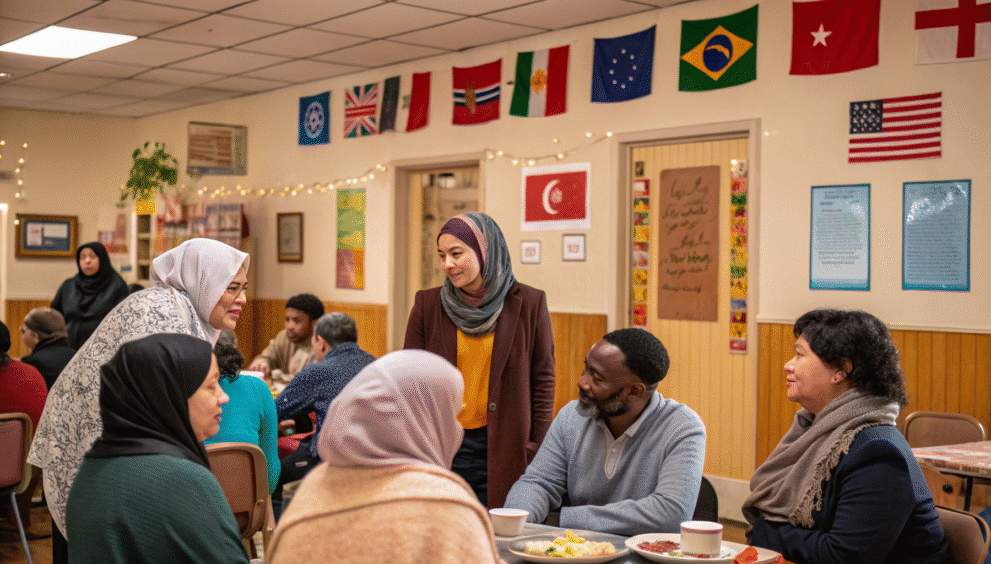
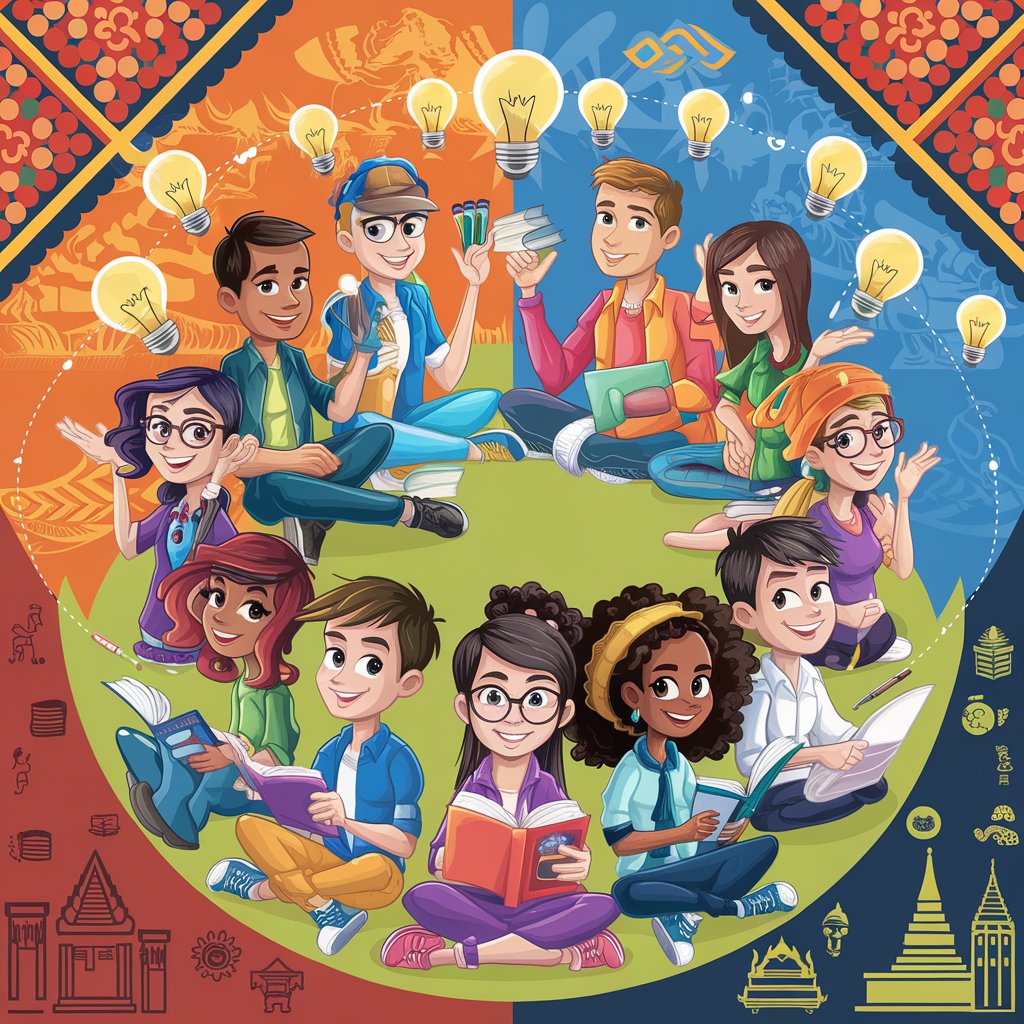
Assimilasjon is a social and cultural process that plays an important role in how societies grow and change. It refers to how individuals or groups adopt the values, language, and habits of a larger or dominant culture.
This concept is often discussed in relation to migration, education, and social integration. Assimilasjon can affect identity, belonging, and community relationships. In modern societies, it remains a topic of discussion because of increasing cultural diversity.
This article explains assimilasjon in simple words, covering its meaning, types, benefits, challenges, and relevance today.
What Is Assimilasjon?
Assimilasjon is the process through which individuals or groups gradually adopt the culture of a larger society. This may include language, customs, values, and social behavior. It often happens when people move to a new country or join a different cultural environment. Assimilasjon can occur naturally over time or through social systems like schools and workplaces. The process helps individuals fit into society more easily. However, it can also raise questions about identity and cultural preservation.
Historical Background of Assimilasjon
The idea of assimilasjon has existed for centuries. Historically, it was often encouraged by governments to create unity within a nation. Immigrants were expected to adapt quickly to the dominant culture. In many cases, cultural differences were discouraged or ignored. Over time, views on assimilasjon have evolved. Today, it is often discussed alongside multiculturalism and inclusion.
Cultural Assimilasjon
Cultural assimilasjon focuses on adopting cultural traditions and social norms. This may include food habits, clothing styles, and social behavior. Over time, individuals may feel more comfortable practicing the dominant culture. Cultural assimilasjon can help people feel accepted in society. However, it may also lead to the loss of traditional customs. Balancing cultural identity and integration is a common challenge.
Linguistic Assimilasjon
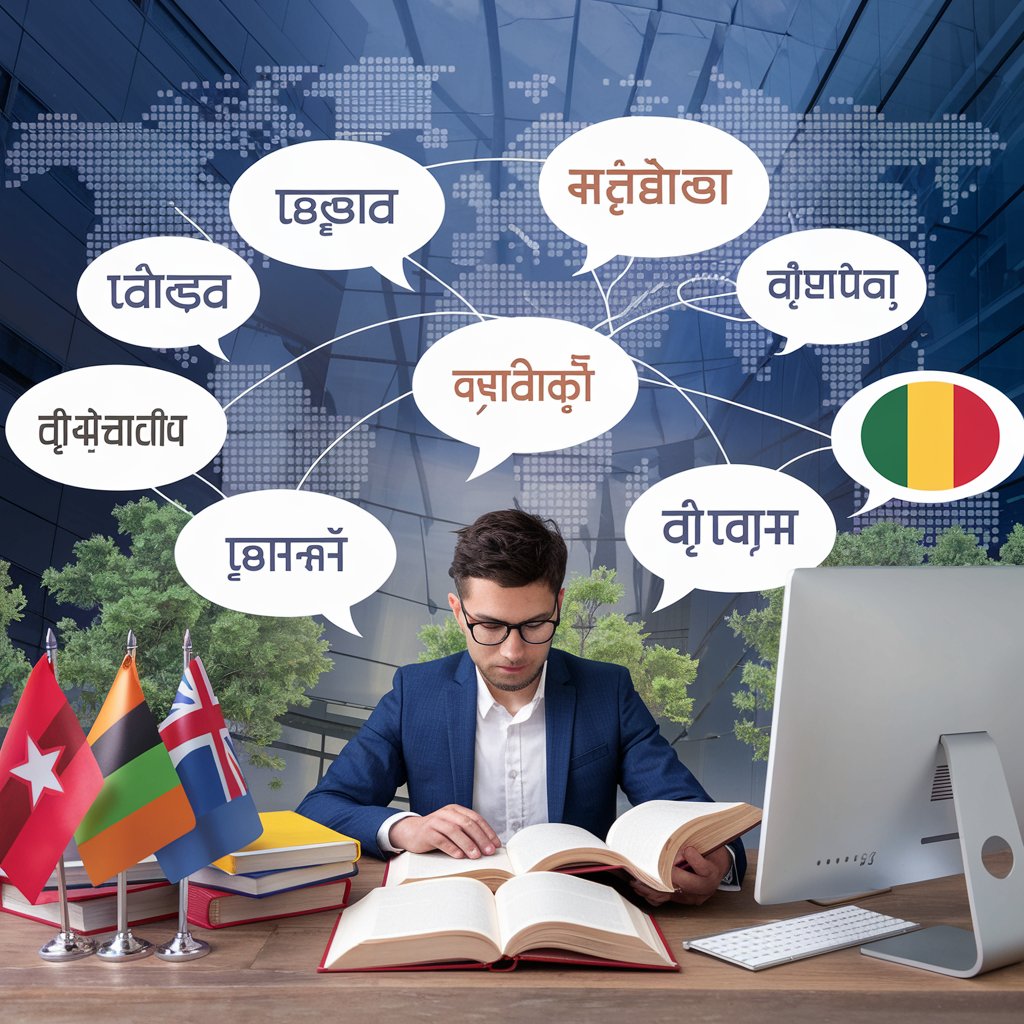
Language plays a key role in assimilasjon. Linguistic assimilasjon occurs when individuals adopt the dominant language of a society. This helps improve communication and social participation. Schools and workplaces often encourage language learning. While language assimilation supports integration, it can sometimes reduce the use of native languages. Maintaining bilingual abilities is increasingly valued in modern societies.
Social Assimilasjon
Social assimilasjon refers to the process of building relationships within the wider society. It involves forming friendships, participating in community activities, and engaging in social networks. Through regular interaction, individuals learn shared norms and social behaviors. This process helps reduce social distance and feelings of isolation. Social assimilasjon encourages mutual understanding and acceptance among different groups. Over time, it supports stronger social bonds and a sense of belonging.
Economic Assimilasjon
Economic assimilasjon focuses on participation in the labor market and economic systems. This includes finding employment, understanding workplace culture, and achieving financial stability. Economic participation helps individuals become self-reliant. It also contributes to overall economic growth. Economic assimilasjon often supports other forms of integration. Stable employment can improve confidence and social inclusion.
Education and Assimilasjon
Education plays a major role in assimilasjon. Schools introduce language, values, and social norms to students from diverse backgrounds. Through education, individuals learn how society functions. Teachers and classmates influence cultural understanding. Education can support inclusion when diversity is respected. It is a powerful tool for balanced assimilation.
Benefits of Assimilasjon
Assimilasjon offers several benefits to individuals and societies. It helps people communicate effectively and participate fully in social life. Shared values can strengthen social unity. Assimilasjon can reduce misunderstandings and conflicts. It supports economic participation and social mobility. When balanced well, it promotes harmony and cooperation.
Challenges of Assimilasjon
Despite its benefits, assimilasjon also presents challenges. Individuals may feel pressure to abandon their cultural identity. This can cause emotional stress and a sense of loss. Societies may struggle to balance unity and diversity. Forced assimilation can create resentment and inequality. Modern approaches aim to reduce these challenges through inclusion and respect.
Assimilasjon in Modern Society
In today’s globalized world, assimilasjon is more complex than before. Societies are increasingly multicultural and interconnected. Many countries now promote integration rather than complete assimilation. Respect for cultural diversity is emphasized alongside social unity. Assimilasjon continues to evolve with changing social values. It remains an important concept in discussions about identity and belonging.
Frequently Asked Questions (FAQs)
1. What does assimilasjon mean?
Assimilasjon means adopting the culture and values of a larger society.
It often involves language, customs, and social behavior changes.
2. Is assimilasjon the same as integration?
Assimilasjon focuses on adapting to the dominant culture.
Integration allows cultural differences while promoting participation.
3. Why is assimilasjon important?
It helps individuals participate fully in society.
Assimilasjon can improve communication and social unity.
4. Does assimilasjon mean losing identity?
It can sometimes reduce cultural expression.
However, balanced approaches allow identity preservation.
5. How does language affect assimilasjon?
Language helps people communicate and connect socially.
Learning the dominant language supports integration.
6. Can assimilasjon happen naturally?
Yes, it often develops over time through daily interaction.
Social environments influence the process naturally.
7. What role does education play in assimilasjon?
Education teaches language, values, and social norms.
It helps individuals understand and navigate society.
8. Is assimilasjon forced in modern societies?
Most modern societies discourage forced assimilation.
They promote inclusion and cultural respect instead.
9. What are the benefits of assimilasjon for society?
It supports social cohesion and shared understanding.
Assimilasjon can reduce conflict and division.
10. Can assimilasjon coexist with cultural diversity?
Yes, when approached with respect and balance.
Modern models encourage unity without uniformity.
Conclusion
Assimilasjon is a key social process that shapes how individuals and societies interact. It helps people adapt to new environments and participate fully in social life.
Language, education, and social interaction play important roles in this process. While assimilasjon offers many benefits, it also presents challenges related to identity and cultural preservation.
Modern societies aim to balance assimilation with respect for diversity. Overall, assimilasjon remains an important and evolving concept in today’s interconnected world.