English




























































































































































































































































































































































































































































how long does a car battery last - Guide

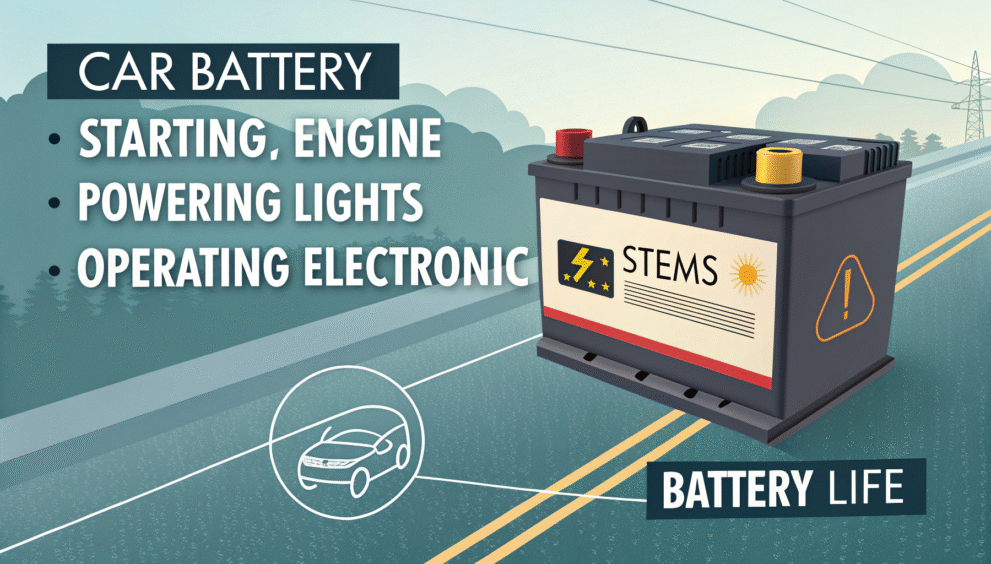
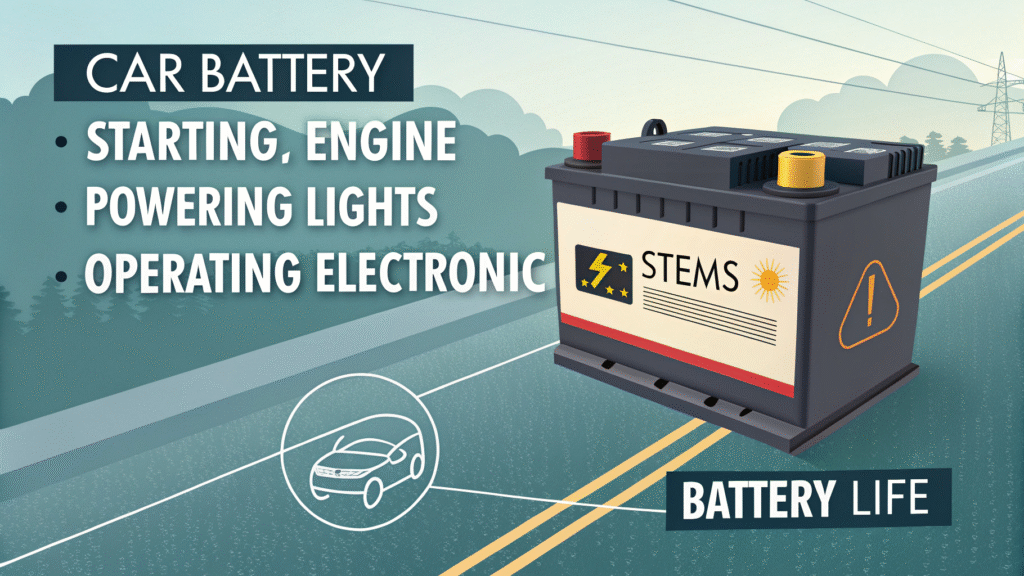
A car battery is one of the most important parts of any vehicle. Without it, the engine cannot start, the lights will not turn on, and many electronic systems will stop working.
Even though car batteries look simple, they have a limited life and eventually need replacement. Understanding how long a car battery lasts and what affects its lifespan can save you money, prevent breakdowns, and keep your car running smoothly.
This article explains everything in clear, easy words so any reader can understand.
What Is a Car Battery?
A car battery is a device that stores electrical energy and powers the vehicle’s electrical systems. It helps start the engine by providing a strong burst of electricity to the starter motor. Once the engine starts, the alternator takes over and charges the battery again. Car batteries also power lights, radio, sensors, alarms, and many other electronic features. Without a healthy battery, a car cannot function properly.
Average Lifespan of a Car Battery
Most car batteries last 3 to 5 years. However, this is only an average. Some batteries may fail earlier, while others may last longer depending on how and where the car is used. Drivers in very hot or very cold climates may notice their batteries wearing out faster. In perfect conditions, some premium batteries can last up to 6 years, but this is rare. The best approach is to regularly check and maintain the battery.
Factors That Affect Car Battery Life
Many things can influence how long a battery lasts. Temperature, driving habits, battery quality, and car usage all play big roles. For example, driving short distances every day may weaken the battery faster because it does not get enough time to fully recharge. On the other hand, regular long drives help keep the battery charged and healthy. Climate is also very important, as extreme weather puts extra stress on the battery.
Impact of Weather on Battery Lifespan
Weather is one of the biggest factors affecting battery life. Heat and cold both create problems for batteries in different ways. Hot weather causes battery fluid to evaporate, which damages the internal structure and reduces capacity. Cold weather slows down the chemical reactions inside the battery, making it harder to start the car. Cars driven in very hot regions may need new batteries more often than cars in mild climates. Meanwhile, winters can cause sudden battery failures if the battery is already weak.
Driving Habits and Battery Health
Driving style also affects battery life. Short trips, like driving only a few minutes, put stress on the battery because it does not get enough time to recharge after starting the car. Frequent stop-and-go driving can drain the battery faster too. Long trips, smooth driving, and allowing the alternator to fully charge the battery all help extend its lifespan. Storing the car for long periods without driving can also cause the battery to discharge and become weak.
Car Electrical Load and Its Effect
Modern cars have many electrical systems like navigation screens, sound systems, heated seats, rear cameras, and sensors. All these features require power from the battery. If the electrical load is very high, the battery works harder and wears out faster. Leaving the headlights, dome lights, or music system on when the engine is off drains the battery quickly. Over time, repeated deep discharges can damage the battery permanently.
Battery Quality and Type
Not all car batteries are the same. Some are made with higher-quality materials and last longer. There are several types of batteries such as lead-acid, AGM (Absorbent Glass Mat), and EFB (Enhanced Flooded Battery). AGM batteries usually last longer and handle extreme conditions better, but they cost more. Cheap batteries may seem like a good deal at first, but they often wear out quickly and may need replacement sooner.
Signs Your Car Battery Is Weak
A weak battery gives many warning signs. The engine may take longer to start, or it may crank slowly. Lights inside the car might dim, or the dashboard may show a battery warning light. Sometimes the car’s electronic systems behave strangely. If your car struggles to start in cold weather, it may mean the battery is losing strength. Paying attention to these signs helps you avoid sudden breakdowns.
How to Maintain a Car Battery for Longer Life?
Proper maintenance can extend battery life. Keeping the battery terminals clean prevents corrosion and ensures good electrical flow. Testing the battery regularly helps you know its condition before it completely fails. Driving long enough for the battery to recharge fully also helps. Making sure the alternator and charging system are working correctly is another important step. Avoid using electrical systems when the engine is off to protect the battery from unnecessary drain.
Why Batteries Fail Earlier Than Expected?
Sometimes batteries fail much earlier than expected. This can happen because of manufacturing defects, improper installation, or extreme weather conditions. Cars that sit unused for long periods often experience premature battery failure. A faulty alternator can also kill a new battery by overcharging or undercharging it. Identifying the reason for early failure can help prevent it in the future.
How Professionals Test Car Batteries?
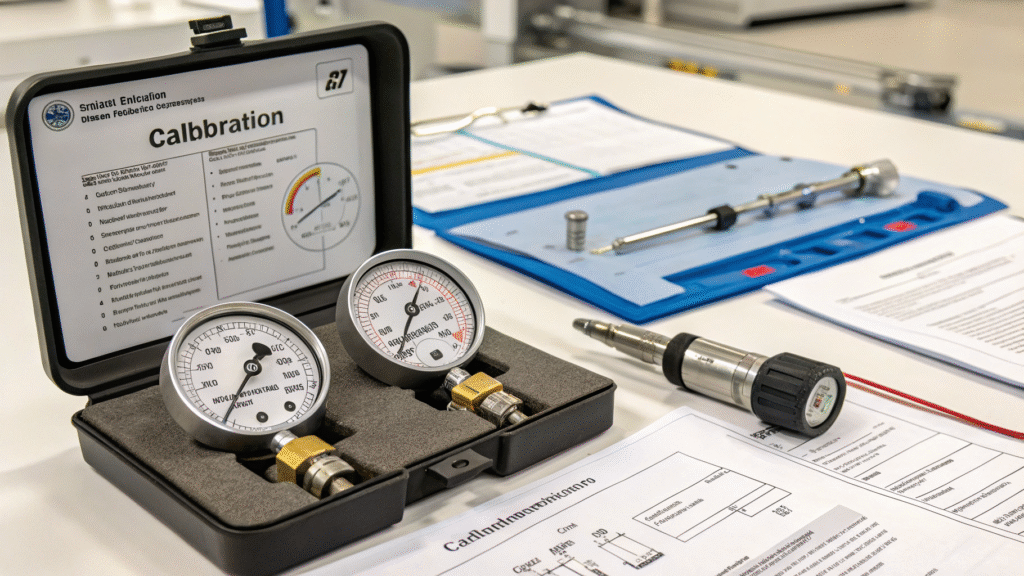
Mechanics use special tools to test a car battery. These tools measure voltage, cold-cranking amps, and overall health. A load test is often used to check how the battery performs under pressure. These tests can tell whether the battery needs replacement or just a recharge. Testing once or twice a year helps prevent unexpected breakdowns and keeps the car in good shape.
When to Replace a Car Battery?
You should replace a car battery when it consistently struggles to start the engine, when voltage drops too low, or when the battery is more than 4 years old and showing signs of weakness. Even if the car still starts, a very old battery may fail suddenly. Replacing it early is safer and prevents roadside emergencies. A professional can help you decide the right time to replace it.
Cost of Replacing a Car Battery
The cost of replacing a car battery depends on the battery type, brand, and car model. Standard batteries are cheaper, while AGM batteries cost more. Labor charges also vary depending on location and service center. Although a high-quality battery may cost more upfront, it lasts longer and performs better, saving money in the long run.
Recycling and Disposal of Used Car Batteries
Car batteries contain chemicals and lead, which can be harmful to the environment. That is why proper disposal is very important. Most service centers and shops accept old batteries for recycling. The materials inside the battery can be reused to make new batteries. Recycling helps protect the environment and reduces waste.
Tips to Extend Car Battery Lifespan
There are many ways to make a battery last longer. Drive regularly so the battery stays charged. Keep terminals clean and free from corrosion. Turn off lights and electronics when the engine is off. Park in shaded or covered areas to protect the battery from heat. Get the charging system tested regularly. Following these simple tips can add years to your battery life.
Common Myths About Car Batteries
There are many myths about car batteries. One common myth is that a battery lasts as long as the car, which is not true. Another myth says you only need to replace the battery when the car completely stops starting. In reality, replacing the battery earlier can prevent damage to other electrical parts. Some people believe tapping the battery will fix it, but this does not solve any problem. Understanding the truth helps you take better care of your battery.
Frequently Asked Questions
1. How long does a typical car battery last?
Most car batteries last between 3 to 5 years depending on weather, driving habits, and maintenance. A well-maintained battery may last longer, but extreme heat or cold can shorten its lifespan.
2. What are the signs of a weak car battery?
Slow engine cranking, dim lights, strange electronic behavior, and dashboard warning lights are common signs. If your car struggles to start in cold weather, it may also indicate a weak battery.
3. Can weather affect my car battery’s life?
Yes, both hot and cold weather affect battery performance. Heat can damage internal parts, while cold weather reduces battery power and makes starting the engine harder.
4. Should I replace the battery even if my car still starts?
If the battery is old or showing signs of weakness, replacing it early is wise. Waiting for complete failure can cause breakdowns and may damage other car systems.
5. How often should I test my car battery?
Testing once or twice a year is recommended. Regular tests help detect problems early and prevent sudden failures, especially during winter.
6. Can short trips reduce battery life?
Yes, short trips prevent the battery from fully recharging. This constant strain can shorten the battery’s lifespan and cause early failure.
7. Does leaving lights on drain the battery?
Yes, leaving headlights or cabin lights on when the engine is off can drain the battery quickly. Deep discharges weaken the battery permanently over time.
8. How can I extend my car battery’s life?
Regular driving, keeping terminals clean, avoiding unnecessary electrical use, and parking in shaded areas all help extend battery life. Proper maintenance is key.
9. What type of car battery lasts the longest?
AGM batteries generally last longer than traditional lead-acid ones. They handle extreme weather well and provide better performance but are more expensive.
10. Is it safe to install a battery myself?
It is possible to install a battery yourself, but professional installation is safer. Incorrect installation can damage car electronics or cause the battery to fail early.
Conclusion
A car battery is essential for starting your vehicle and powering electrical systems. Knowing how long a battery lasts and what affects its lifespan can help you avoid unexpected breakdowns.
Regular maintenance, proper driving habits, and understanding the signs of a weak battery all play important roles. Whether you live in a hot, cold, or mild climate, caring for your car battery ensures safety and reliability.
Replacing the battery at the right time and choosing a high-quality one can save time, money, and stress in the long run.