English


















































































































































































































































































































































































































































ignatius cake – Simple Tips For Making

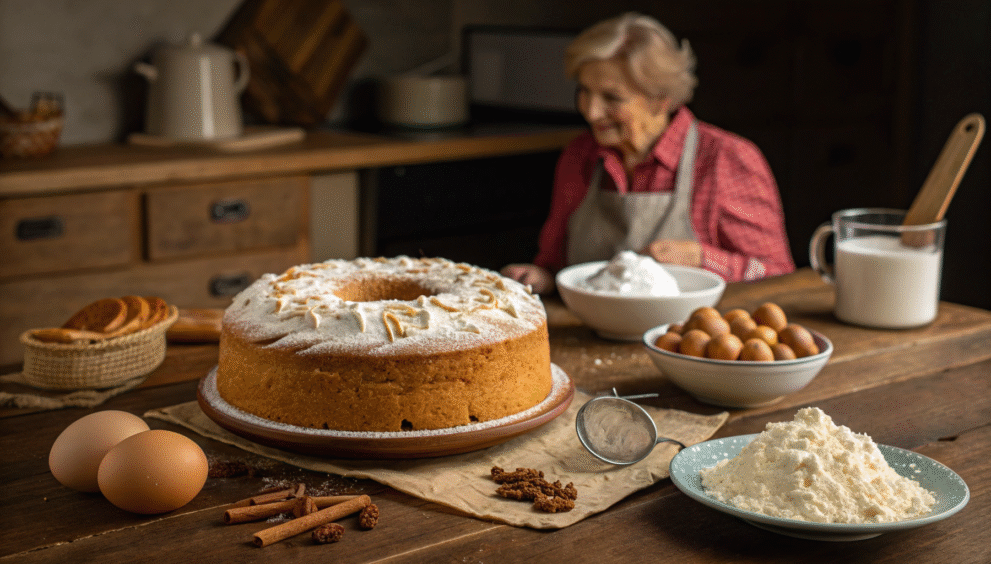
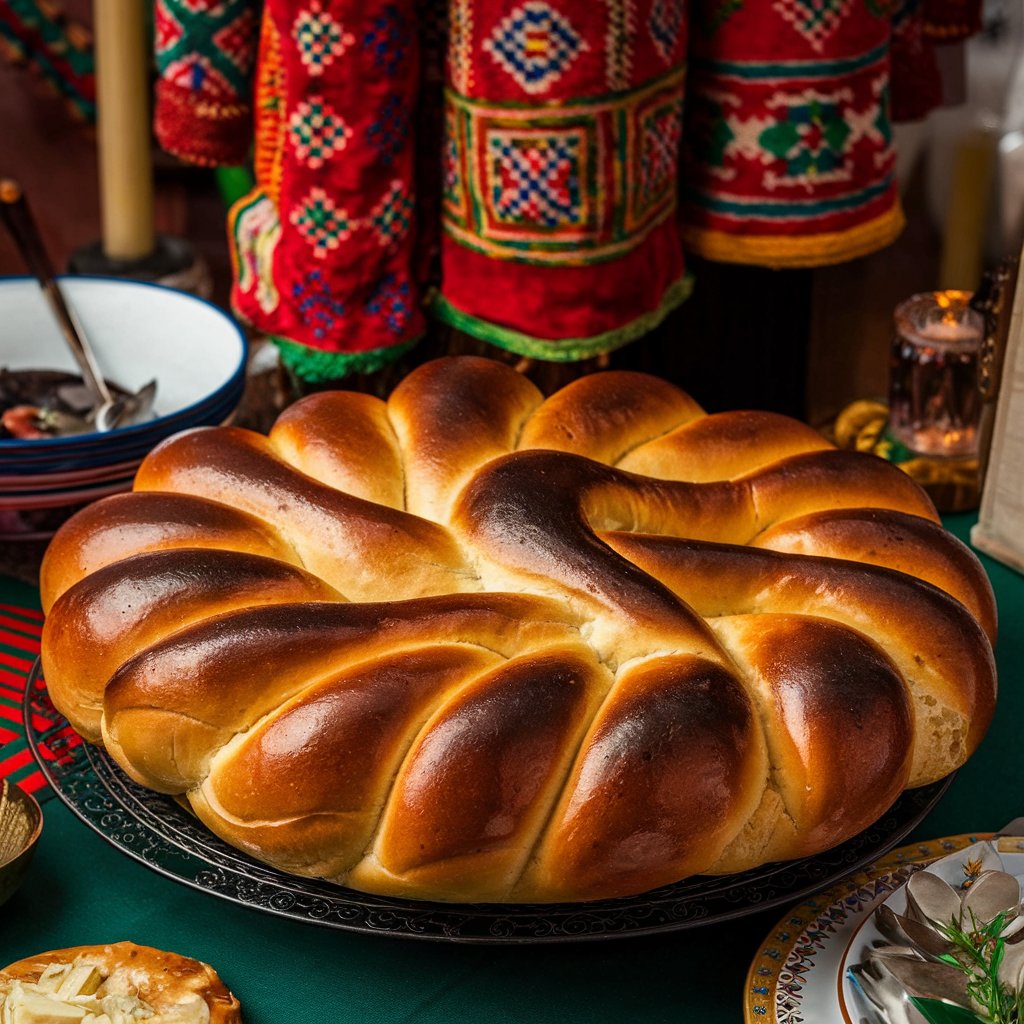
Ignatius Cake is a special type of cake known for its rich flavor, soft texture, and deep cultural meaning.
Many people enjoy it because it feels traditional, homemade, and comforting. The cake often connects families, celebrations, and memories passed down through generations.
In this article, you will learn everything about Ignatius Cake, including its history, ingredients, preparation, variations, cultural value, and simple tips for making it at home.
What Is Ignatius Cake?
Ignatius Cake is a traditional-style cake loved for its smooth, rich taste and simple preparation. It often uses basic ingredients like flour, eggs, sugar, butter, and special spices or flavorings that give it a unique identity. Depending on the region, it may include dried fruits, chocolate, nuts, or even spices like cinnamon or nutmeg. The cake is usually served during holidays, family gatherings, church events, and other special moments. Many people appreciate it as a comfort food because it tastes homemade and brings a feeling of warmth and tradition. While the cake is known in many communities, each family or region may prepare it slightly differently, making every version special.
History and Origins of Ignatius Cake
The exact origin of Ignatius Cake is not always clear, but many people believe it comes from old European or early American baking traditions connected to family recipes and community celebrations. The name “Ignatius” may be inspired by historical figures, cultural symbols, or early settlers who brought traditional cooking methods with them. Over time, recipes changed as they passed from generation to generation. People added new ingredients, adjusted baking methods, and adapted the cake to local tastes. Some families still use handwritten recipes passed down by grandparents, which makes Ignatius Cake more than just food—it becomes a symbol of connection. Its continued popularity shows how simple recipes can last for many years and still remain meaningful.
Traditional Ingredients Used in Ignatius Cake
Ignatius Cake is usually made with simple and easy-to-find ingredients, which is one reason it has remained popular. Typical recipes include flour for structure, sugar for sweetness, and butter to give the cake its soft texture. Eggs help keep the cake moist and hold everything together. Many recipes also use milk or cream to enhance richness. Some versions add spices like cinnamon, nutmeg, or vanilla to give the cake a warm and inviting smell. Other versions include raisins, dried fruits, candied peels, or nuts for extra flavor. In some communities, people use honey or brown sugar instead of white sugar to add a deeper sweetness. Because the ingredients are flexible, anyone can adjust the recipe based on taste, diet, or the ingredients they have at home.
How Ignatius Cake Is Traditionally Prepared?
Preparing Ignatius Cake is simple, making it a popular dessert even for beginner bakers. Most recipes start by mixing butter and sugar until creamy. This step helps create a light texture. Then eggs are added one at a time. After that, dry ingredients like flour, baking powder, and spices are mixed in. Some recipes ask you to soak dried fruits in warm water or juice before adding them, making them soft and flavorful. Once the batter is ready, it is poured into a baking pan and baked until golden. The process is easy, yet the result feels special. Because the cake does not require complicated steps, it can be prepared quickly for guests, celebrations, or simple family evenings. Many people enjoy the beautiful smell that fills the home while the cake bakes, adding to its charm.
Popular Variations of Ignatius Cake
Even though Ignatius Cake has traditional roots, many modern versions give it a fresh twist. Some bakers add chocolate chips or cocoa powder for a richer style. Others include fresh fruits like apples, bananas, or berries to create moist and fruity versions. Nut lovers may add almonds, walnuts, or pecans. Some families enjoy a spiced version with stronger cinnamon or ginger. There are also festive versions covered with icing, glaze, or powdered sugar, especially for holidays like Christmas or Easter. Vegan bakers use plant-based ingredients like coconut oil or almond milk. Gluten-free versions replace wheat flour with rice flour or almond flour. These variations show how flexible the cake is and how it can fit many tastes and dietary needs.
Cultural and Family Importance of Ignatius Cake
Ignatius Cake is not just a dessert—it is a symbol of tradition, warmth, and togetherness. Many families prepare it during celebrations, allowing children and elders to share moments in the kitchen. The cake represents love passed from one generation to another. In some places, Ignatius Cake is linked with religious gatherings or holiday feasts, bringing a sense of unity during special events. People often say that the cake reminds them of childhood, grandparents, or important family moments. When a recipe is shared, it becomes a way of preserving family history. This emotional connection is one of the main reasons Ignatius Cake remains important even as modern desserts become more popular.
Nutritional Value of Ignatius Cake
Ignatius Cake can be enjoyed as an occasional treat, and its nutritional value depends on the ingredients used. Traditional versions include butter, eggs, sugar, and flour, which give the cake calories, healthy fats, and carbohydrates. Adding nuts or dried fruits increases the nutritional benefits, providing fiber, vitamins, and minerals. Using whole wheat flour or reducing sugar can make the cake healthier. For people with dietary restrictions, vegan or gluten-free versions offer alternatives without losing the cake’s unique taste. Even though Ignatius Cake is not a low-calorie food, enjoying it in moderation can be part of a balanced lifestyle. The cake’s ingredients can be changed easily to fit different health needs, which makes it suitable for many types of diets.
Tips for Making the Perfect Ignatius Cake
Making the perfect Ignatius Cake requires a few simple tips. First, always use fresh ingredients because they affect taste and texture. Softened butter helps make the cake light and fluffy. When mixing the batter, avoid overmixing because it can make the cake dense. If using dried fruits or nuts, coat them lightly in flour before adding them to prevent sinking. Baking at the right temperature is also important because too much heat can burn the edges while keeping the center raw. Letting the cake cool before slicing helps keep its shape. Experimenting with flavors, sweetness, and moisture levels can help you create your own signature version. With a little practice, anyone can make Ignatius Cake successfully, even without advanced baking skills.
Serving Ideas and Occasions for Ignatius Cake
Ignatius Cake can be served on many occasions. It is a great choice for family dinners, birthdays, holiday celebrations, or gatherings with friends. Some people serve it warm with tea, coffee, or milk. Others prefer it chilled with whipped cream or ice cream. For festive events, you can decorate it with icing, colorful sprinkles, or fruit slices. Ignatius Cake also makes a thoughtful homemade gift because it stays moist and fresh for days. It can be sliced into pieces, wrapped, and shared with neighbors or coworkers. No matter how you serve it, the cake brings joy and comfort, making it a versatile dessert for any moment.
Conclusion
Ignatius Cake is more than just a recipe. It carries stories, memories, and traditions that bring families and communities together.
Its simple ingredients, flexible variations, and warm flavors make it a favorite dessert for many people. Whether you prefer the classic version or enjoy experimenting with new twists, the cake is easy to prepare and a pleasure to share. The cultural value, emotional meaning, and delicious taste of Ignatius Cake help it remain an important part of celebrations and daily life.
By learning its history, ingredients, preparation steps, and creative variations, you can appreciate this dessert even more and maybe even create your own family tradition. Ignatius Cake is a reminder that simple things can hold great meaning and joy.
FAQs
1. What is Ignatius Cake made of?
Ignatius Cake is usually made with flour, butter, sugar, eggs, milk, and optional ingredients like spices, dried fruits, or nuts. These basic items give the cake its soft texture and rich flavor. Some families adjust ingredients based on taste or tradition.
2. Why is it called Ignatius Cake?
The name may come from historical or cultural influences, old recipe books, or family traditions connected to the name Ignatius. Over time, people continued using the name as the cake became popular. Its exact origin can vary by region or family history.
3. Is Ignatius Cake difficult to make?
No, Ignatius Cake is known for being easy to make. The steps are simple, and most ingredients are available in any kitchen. Beginners can prepare it successfully by following basic instructions and baking it at the right temperature.
4. Can I add chocolate to Ignatius Cake?
Yes, chocolate chips or cocoa powder can be added to create a richer and sweeter version. Many modern variations include chocolate because it blends well with the cake’s soft texture. You can adjust the amount based on your preference.
5. Is Ignatius Cake healthy?
Ignatius Cake is a treat, but you can make it healthier by reducing sugar, using whole grain flour, or adding nuts and fruits. Vegan or gluten-free versions are also available. Enjoying the cake in moderation is recommended for a balanced diet.
6. How long does Ignatius Cake stay fresh?
When stored properly in an airtight container, Ignatius Cake can stay fresh for about three to five days. If refrigerated, it can last even longer. Keeping it covered helps maintain moisture and flavor.
7. Can I freeze Ignatius Cake?
Yes, Ignatius Cake freezes well. Wrap it tightly in plastic or place it in a freezer-safe container. When you want to eat it, let it thaw naturally at room temperature to keep the texture soft.
8. What occasions are best for serving Ignatius Cake?
The cake is perfect for holidays, birthdays, family dinners, church events, or simple tea-time moments. Because it tastes homemade and comforting, it fits well with both casual and festive occasions.
9. Are there vegan versions of Ignatius Cake?
Yes, vegan versions replace butter with plant-based oils and eggs with alternatives like applesauce or flaxseed gel. These versions still taste delicious and keep the soft texture of the original recipe.
10. What toppings go well with Ignatius Cake?
Popular toppings include powdered sugar, glaze, icing, whipped cream, or fresh fruit. These toppings enhance the look and flavor without overpowering the cake’s original taste.