English









































































































































































































































































































































































































































kalibraatio – Importance, Process, Benefits


Kalibraatio is a term widely used in scientific, technical, and industrial contexts, referring to the process of calibration. Calibration is essential for ensuring accuracy, consistency, and reliability in measurements and instruments.
In various industries, from manufacturing to healthcare, proper kalibraatio ensures that devices perform correctly and produce trustworthy results. Understanding this process is crucial for maintaining quality standards and minimizing errors. Kalibraatio also plays a key role in improving efficiency and safety in professional environments.
This article explains kalibraatio in simple terms, its importance, and practical applications. Readers will gain a clear understanding of why calibration is essential in modern technology and industry.
What Is Kalibraatio?
Kalibraatio refers to the process of adjusting and verifying instruments or devices to ensure their measurements are accurate. It involves comparing a device’s output against a known standard. This process ensures that tools provide reliable results over time. Kalibraatio is critical for maintaining precision in scientific experiments, production processes, and everyday measurements.
The Purpose of Kalibraatio
The main purpose of kalibraatio is to ensure measurement accuracy and consistency. By calibrating devices, errors can be minimized or eliminated. This helps maintain trust in the data collected. Accurate measurements are vital for decision-making, safety, and quality assurance across industries.
The History of Kalibraatio
The practice of kalibraatio has been around for centuries. Early scientists and craftsmen understood the importance of accurate measurements. Over time, formal standards and procedures were developed to ensure consistency across regions and industries. Modern kalibraatio now involves precise instruments and regulated protocols.
Types of Kalibraatio
Kalibraatio can be classified into several types:
Mechanical Calibration:
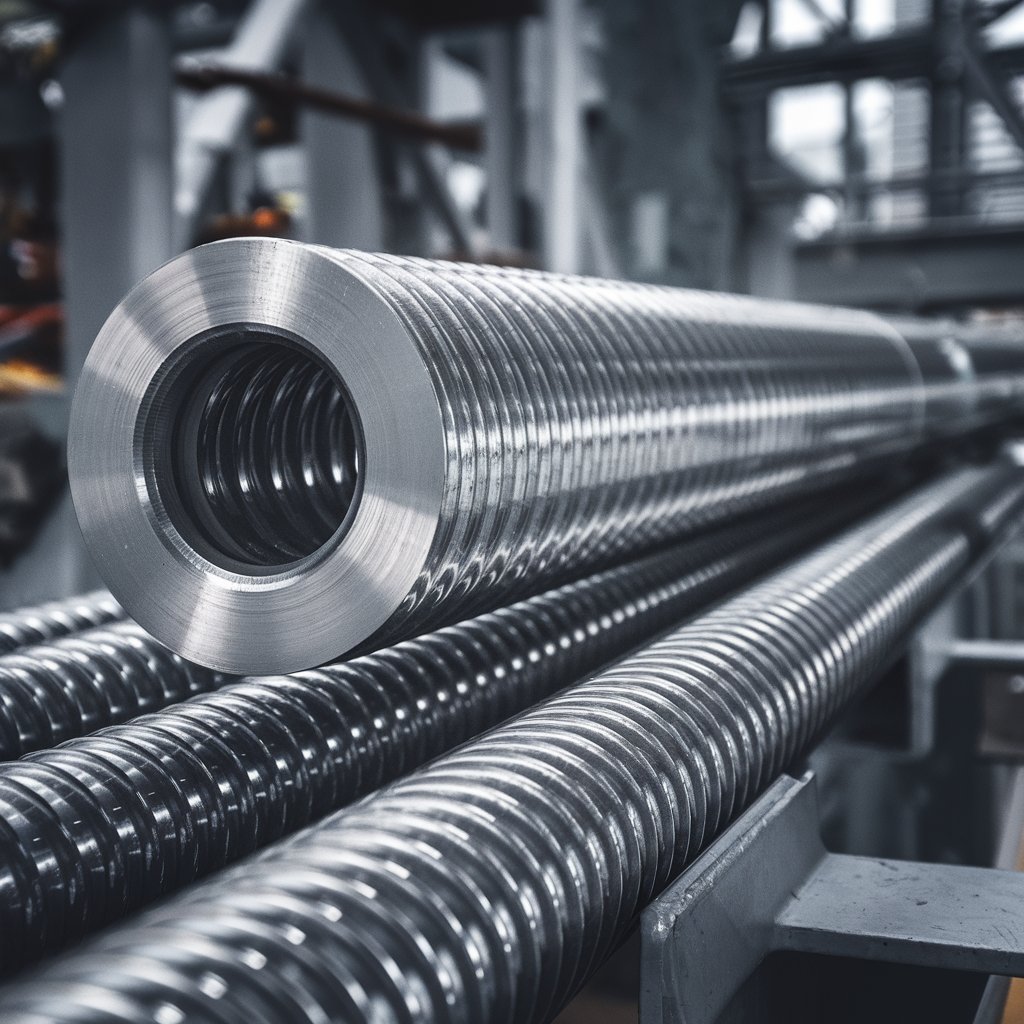
Ensures physical instruments measure correctly, such as scales or gauges.
Electronic Calibration:
Involves electronic devices, like voltmeters or sensors.
Software Calibration:
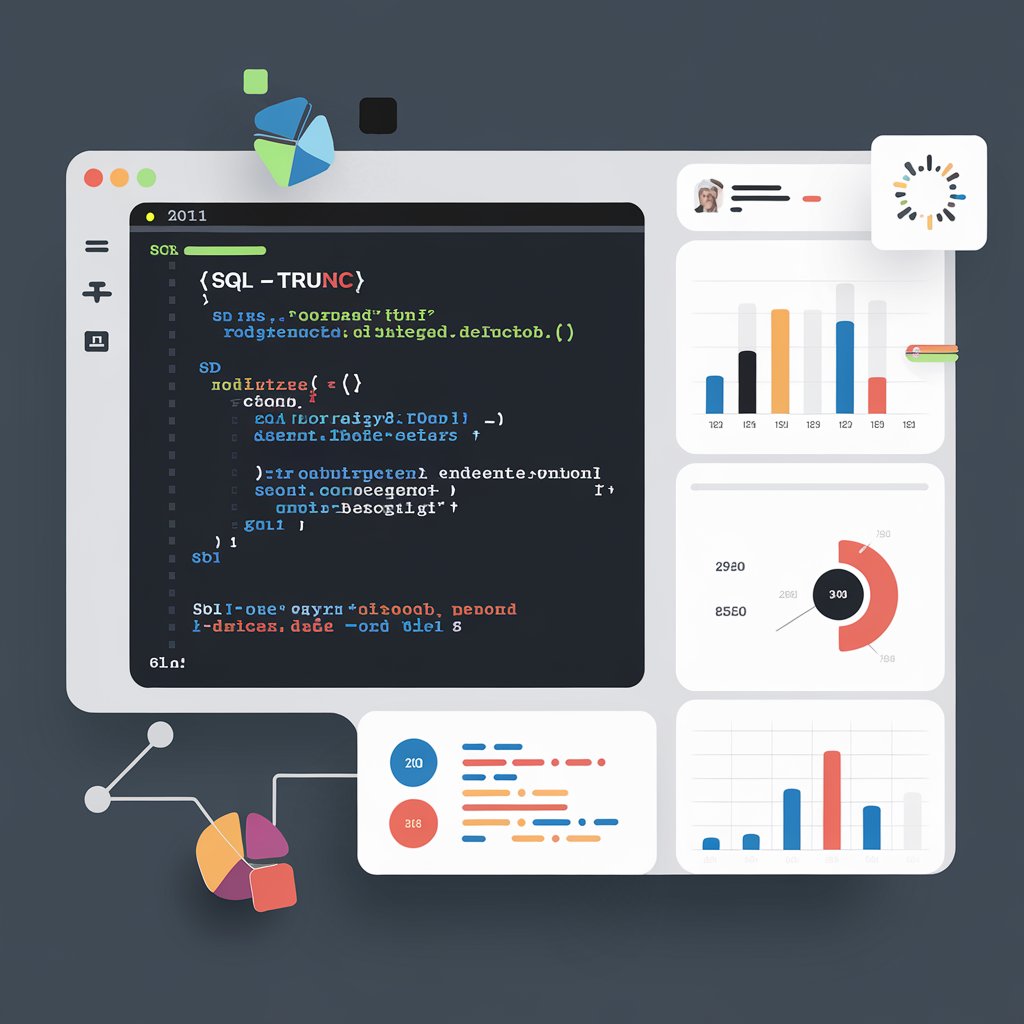
Ensures digital systems and software output accurate results.
The Kalibraatio Process
The typical kalibraatio process involves several steps:
- Preparation: Selecting the device and reference standard.
- Measurement: Comparing the device output with the standard.
- Adjustment: Correcting any deviations found.
- Documentation: Recording the results for traceability.
Following this process ensures consistent and reliable calibration outcomes.
Importance of Kalibraatio in Industries
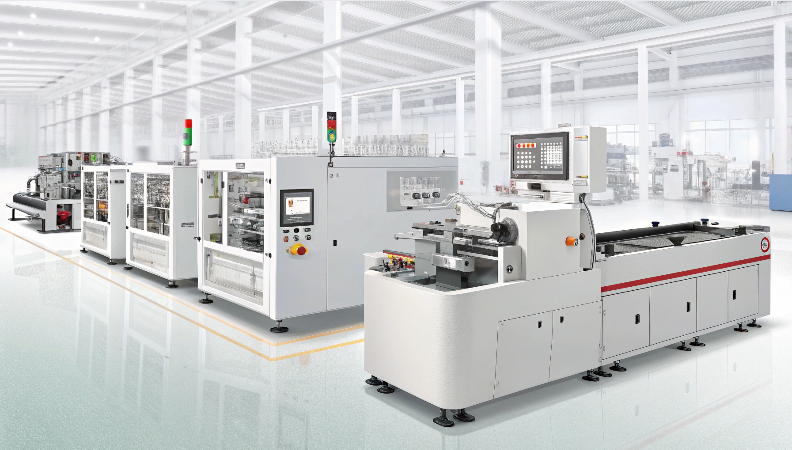
In manufacturing, kalibraatio ensures machines produce parts with precise dimensions. In healthcare, it guarantees medical devices provide accurate readings, which can save lives. In scientific research, calibration ensures data is valid and experiments are reproducible. Across industries, kalibraatio is a foundation of quality and safety.
Tools and Equipment Used in Kalibraatio
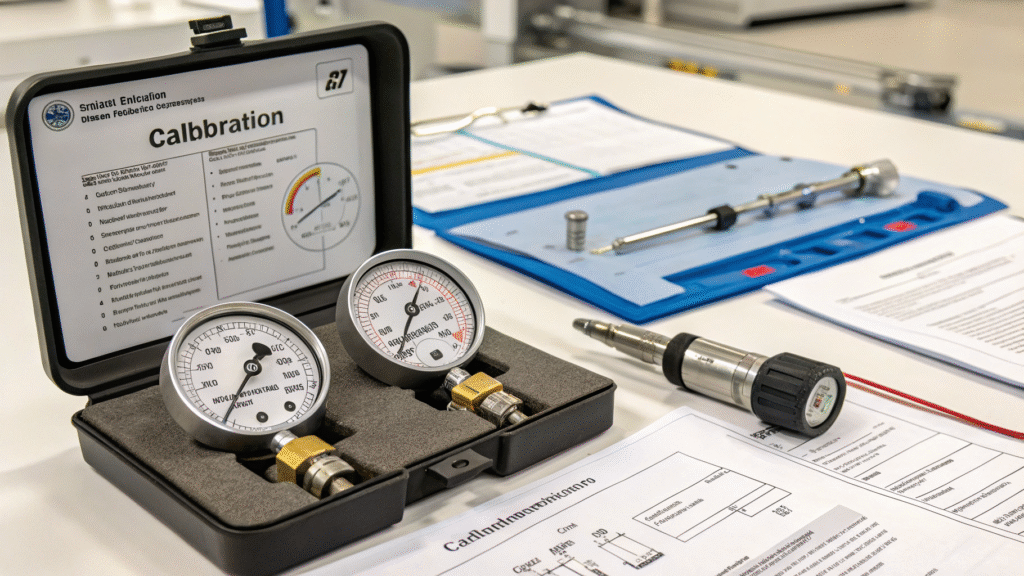
Various tools are used for kalibraatio depending on the device being calibrated. These include precision weights, standard voltage sources, temperature standards, and digital measurement tools. The selection of the correct tool is crucial to ensure accurate calibration results. High-quality reference standards are essential for reliable outcomes.
Challenges in Kalibraatio
Kalibraatio can be challenging due to equipment complexity and environmental factors. Temperature, humidity, and human error can affect calibration accuracy. Regular maintenance and careful procedures help overcome these challenges. Skilled technicians are essential to perform calibration effectively.
Benefits of Kalibraatio
Kalibraatio offers several important benefits across various industries and applications. It ensures that instruments and devices provide accurate measurements, which is crucial for quality and safety. Consistent calibration helps maintain uniform performance across multiple tools and processes. It also ensures compliance with industry standards and regulatory requirements. Additionally, kalibraatio reduces errors, improves operational efficiency, and builds trust in the reliability of results.
The Future of Kalibraatio
Advances in technology are shaping the future of kalibraatio. Automated calibration systems and smart devices are becoming more common. Digital tools allow remote monitoring and real-time calibration verification. This trend increases efficiency and reduces human error, making kalibraatio more accessible and reliable.
Conclusion
Kalibraatio is an essential process for ensuring accurate, consistent, and reliable measurements across various industries.
It improves quality, safety, and efficiency in professional environments. By understanding and implementing proper calibration procedures, businesses and individuals can maintain high standards and minimize errors. Technological advances continue to make kalibraatio more precise and efficient.
Regular calibration ensures devices remain trustworthy and effective over time. Overall, kalibraatio plays a critical role in modern science, industry, and daily life. Adopting proper calibration practices guarantees better results and higher reliability in any measurement-dependent activity.
FAQs
1. What does kalibraatio mean?
Kalibraatio refers to the process of adjusting and verifying instruments to ensure accurate measurements. It compares device output with a known standard. This ensures reliability and precision.
2. Why is kalibraatio important?
Kalibraatio ensures devices provide correct measurements. Accurate measurements support safety, quality, and efficiency. It is essential across scientific and industrial fields.
3. How often should kalibraatio be done?
Frequency depends on the device and industry requirements. High-precision instruments often require more frequent calibration. Regular schedules prevent measurement errors.
4. What types of kalibraatio exist?
There are mechanical, electronic, and software calibrations. Each focuses on different device types. All aim to maintain accuracy and reliability.
5. Who performs kalibraatio?
Trained technicians or engineers usually perform calibration. They follow standard procedures. Expertise ensures reliable and accurate results.
6. Can kalibraatio prevent device errors?
Yes, regular kalibraatio identifies and corrects deviations. This reduces measurement errors. Proper calibration maintains device reliability.
7. What tools are needed for kalibraatio?
Tools vary by device type, including standard weights, voltage sources, and temperature standards. High-quality reference tools ensure accurate results.
8. Is kalibraatio required by law?
In many industries, calibration is required to meet regulatory standards. Compliance ensures safety and quality. Failure can lead to penalties and unreliable results.
9. How does technology affect kalibraatio?
Advanced technology allows automated and digital calibration. Smart systems improve efficiency and reduce human error. Remote calibration monitoring is now possible.
10. What industries benefit most from kalibraatio?
Manufacturing, healthcare, research, and electronics rely heavily on kalibraatio. Any field requiring precise measurements benefits. It ensures accuracy, safety, and efficiency.