English
























































































































































































































































































































































































































why stay away from the book of enoch – Guide


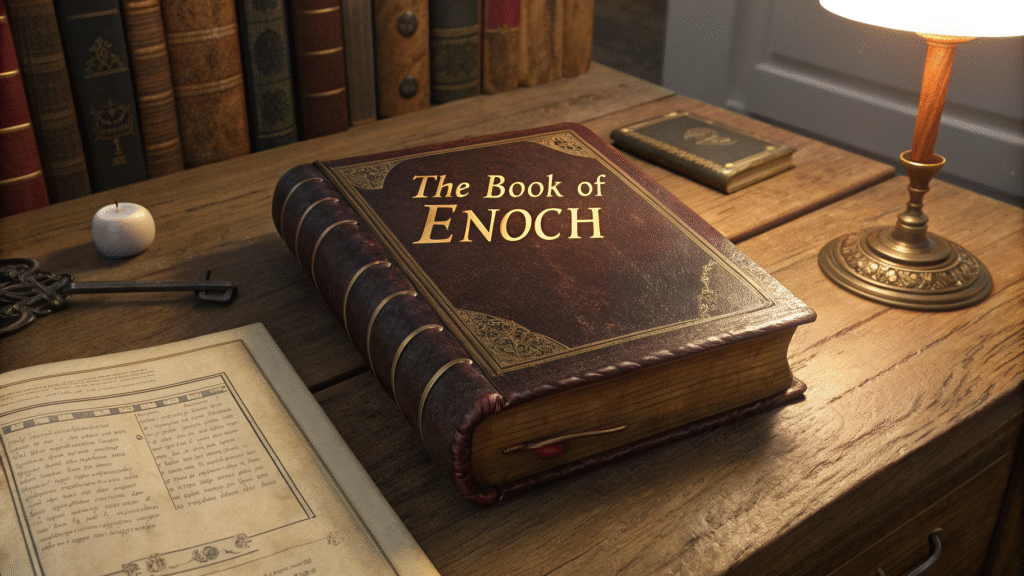
The Book of Enoch is an old religious text that speaks about angels, heaven, demons, and future events. Even though it has a long history, most churches do not include it in their holy scriptures.
Many Christians hear warnings about reading the Book of Enoch, and this leaves them wondering why some leaders say it is better to avoid it. Understanding the reasons behind these warnings helps readers see why this book is viewed with concern by many believers. While some people enjoy studying it as a historical document, others believe it can confuse readers, create misunderstandings about God, or introduce ideas that do not match the accepted teachings of the Bible.
This article explains why many people choose to stay away from the Book of Enoch and why caution is advised.
What Is the Book of Enoch?
The Book of Enoch is a collection of writings believed to be thousands of years old. It contains stories about angels, visions, and future judgments. It is named after Enoch, who is mentioned briefly in the Book of Genesis as a man who “walked with God.” Because the book carries his name, some people assume it has spiritual authority. However, scholars believe it was written much later, by unknown authors. The book is divided into sections that describe angelic beings, fallen angels, heavenly journeys, and symbolic visions. Some parts sound similar to the Bible, while others introduce ideas not found anywhere else in accepted scriptures. This mix of familiar and unfamiliar ideas leads to debate about the book’s reliability.
Why the Book of Enoch Is Not in Most Bibles?
Most Christian groups do not accept the Book of Enoch as part of the Bible. This is because early church leaders examined ancient texts and judged which ones were inspired. The Book of Enoch did not meet the requirements. Some reasons include questions about who wrote it, doubts about its accuracy, and inconsistencies with other scriptures. Only a few traditions, such as the Ethiopian Orthodox Church, treat it as scripture. For most churches, the book is seen as interesting but not authoritative. When a book is not part of the accepted Bible, believers are usually cautioned to treat it carefully.
The Issue of Unknown Authorship
One major concern is that the real author of the Book of Enoch is unknown. The book is written in the name of Enoch, but historians believe Enoch did not write it. Instead, the book was likely written by several authors over many centuries. When a religious text does not come from the person it claims to represent, it raises trust issues. People may worry that stories or teachings could be invented or influenced by outside ideas. This is one reason why some religious teachers recommend staying away from the text.
Teachings That Do Not Match the Bible
The Book of Enoch includes teachings that do not match the accepted Bible. Some stories about angels and fallen beings are far more detailed than what the Bible presents. The book describes angels teaching humans about magic, weapons, and secrets of the heavens. It also includes different explanations of judgment day and the afterlife. These added details can cause confusion for people who are trying to understand faith in simple terms. Many pastors believe that if a book adds ideas that do not agree with the Bible, it should not be treated as a guide for spiritual truth.
The Danger of Confusion
One of the biggest reasons people are advised to stay away from the Book of Enoch is confusion. When readers study a book that is old but not accepted as scripture, they may mix its ideas with teachings from the Bible. This can lead to misunderstandings about God, angels, or spiritual laws. Some people may even build beliefs based on stories that are not verified as true. Confusion can weaken a person’s faith rather than strengthen it. Leaders caution that young believers or people new to faith may especially find it difficult to separate fact from imagination.
Symbolic and Mysterious Language
The Book of Enoch uses a lot of symbolic, mysterious, and poetic language. It describes visions of heaven, cosmic battles, and supernatural beings. Because the language is complex, it is easy to misinterpret. Some readers think the book gives secret knowledge about the world, while others feel lost in the symbolism. When a book is not clear, it can mislead people or encourage them to focus on unusual ideas instead of building a simple and strong faith.
Connection to Controversial Teachings
Certain groups use the Book of Enoch to support unusual or controversial teachings. For example, some groups use it to promote strange theories about angels, aliens, or hidden knowledge. When a book becomes tied to unusual beliefs, people may start using it in ways that were never intended. This can lead to spiritual confusion or involvement in harmful ideas. Because of this, many pastors warn their communities to avoid it unless they are studying it for historical purposes with proper guidance.
Not Supported by Early Church Leaders
When early church leaders gathered to decide which books should be included in the Bible, they left out the Book of Enoch. Their decision was not random. They examined the book carefully and found problems with its teachings, origins, and accuracy. Early Christian writers, who lived close to the time of Jesus, rarely quoted from it or treated it as scripture. If leaders from the earliest days of Christianity did not accept the book, many churches today choose to follow their example.
Differences in Describing Angels
The Book of Enoch describes angels in very different ways from the Bible. It gives them names, roles, and personalities that do not appear in accepted scripture. The Bible mentions only a few angels by name, but the Book of Enoch lists many more and gives them detailed tasks. Some descriptions feel more like mythology than spiritual truth. This creates tension between the book and the beliefs of many traditions. For people who prefer simple and clear teachings, this extra information can feel distracting or misleading.
The Issue of Fallen Angels
One of the most famous parts of the Book of Enoch is its story about fallen angels. It describes angels coming to earth, marrying humans, and having children called giants. While the Bible mentions the idea briefly, Enoch goes much further, giving long stories and detailed descriptions. Some readers enjoy these stories, but others find them troubling or confusing. Because the details go beyond what the Bible teaches, many leaders caution believers not to rely on this book for understanding spiritual beings.
Focus on Hidden or Secret Knowledge
The Book of Enoch often talks about hidden knowledge, secret visions, and mysteries of the universe. Some people are drawn to this because it feels exciting or special. But many religious traditions warn against searching for hidden knowledge instead of focusing on clear teachings. Some worry that the book may encourage readers to chase mysteries rather than grow in everyday faith. When people get too caught up in secret information, they can drift away from simple truth.
Can the Book of Enoch Strengthen Faith?
Some people say that reading the Book of Enoch strengthens their faith by giving them historical insight. They see it as a window into ancient Jewish beliefs. However, many leaders warn that this is not true for everyone. Without careful guidance, the book can create doubts rather than confidence. Readers may question the Bible or rely too much on a text that is not considered inspired. Whether it strengthens or weakens faith depends on how it is read, which is why caution is encouraged.
Historical Value vs Spiritual Value
The Book of Enoch does have historical value. It helps researchers understand how ancient people viewed angels, heaven, and the world. Scholars study it to learn about early Jewish thought. However, historical value does not mean spiritual authority. A book can be culturally important without being a guide for spiritual practice. Many churches treat the Book of Enoch as a historical document but advise believers not to treat it as scripture.
How People Misuse the Book of Enoch?
Some people misuse the Book of Enoch by treating it as a source of prophecy or special spiritual power. Others combine it with modern ideas, creating strange theories. When a book is interpreted wrongly, it can lead to harmful beliefs or fear. Some people take symbolic visions literally, which can create unnecessary panic or false expectations. Misuse is one of the main reasons leaders warn people to be careful with the book.
The Importance of Safe Spiritual Study
Spiritual study should bring clarity, peace, and understanding. When a book brings confusion or doubt, it may not be safe for everyone. Leaders encourage believers to study the Bible first, especially before exploring ancient writings. Once a person is confident in their understanding of accepted scripture, they can better recognize when another book does not match. Safe study means building a strong foundation before exploring complex texts.
Why Some People Are Attracted to the Book of Enoch?
The Book of Enoch attracts people for several reasons. It talks about angels, mysteries, and visions that feel dramatic or exciting. Some people love ancient stories, while others enjoy learning about texts outside the Bible. Curiosity is natural, but curiosity alone is not always enough reason to trust a book. Without careful study, people can accept ideas that are not trustworthy. This is why leaders warn that interest should not replace discernment.
Should You Avoid It Completely?
Whether someone should avoid the Book of Enoch completely depends on their purpose. For general readers, new believers, or people seeking simple faith, it may be safer to stay away. For scholars or experienced readers who study it as history, it may be useful. The key idea is that not everyone is prepared to read complex ancient texts without guidance. Staying away from the book is often recommended to prevent misunderstanding.
Conclusion
The Book of Enoch is an ancient text that has fascinated readers for centuries. While it may offer historical insight, most religious leaders do not accept it as scripture.
Its unknown authorship, unusual teachings, and differences from the Bible create confusion for many people. Some ideas in the book are symbolic, mysterious, or difficult to understand. Because of these challenges, many believers are advised to approach the book with caution or avoid it altogether. Understanding why leaders give this advice helps people make informed choices about their spiritual reading.
Faith grows best when built on clear, trusted teachings, and that is why many choose to stay away from the Book of Enoch.
Frequently Asked Questions
1. What is the Book of Enoch?
The Book of Enoch is an ancient religious text filled with stories about angels, visions, and future events. It is not part of most Christian Bibles and has unclear authorship.
2. Why do some churches reject the Book of Enoch?
Most churches reject it because early leaders questioned its authorship, accuracy, and consistency with accepted scripture. It did not meet the standards for inclusion in the Bible.
3. Is the Book of Enoch dangerous to read?
The book itself is not harmful, but it can cause confusion for people who are new to faith. Some teachings do not match the Bible, which may mislead readers.
4. Does the Book of Enoch contradict the Bible?
Some stories and details in the Book of Enoch go far beyond what the Bible teaches. These differences lead many to treat it with caution.
5. Did Enoch really write the book?
Most scholars believe he did not. The book was likely written much later by unknown authors using his name for authority.
6. Is the Book of Enoch useful for history?
Yes, it has historical value because it shows how ancient cultures viewed angels and heaven. But historical value is not the same as spiritual authority.
7. Why does the book talk so much about angels?
The Book of Enoch focuses heavily on angels and fallen beings, providing long stories not found in the Bible. Many believe these extra details can be confusing.
8. Can Christians read the Book of Enoch?
Some Christians read it for study, but many leaders recommend caution. It should not replace or outweigh teachings from the Bible.
9. Why is the Book of Enoch popular today?
People enjoy its mysterious stories, visions, and ancient themes. Curiosity about hidden knowledge also makes it popular.
10. Should beginners in faith avoid it?
Many leaders say yes. Beginners may find the book confusing or misleading. It is better to gain a strong foundation in accepted scripture first.