English








































































































































































































































































































































































































nahttypen – A Simple and Complete Guide to Types of Seam

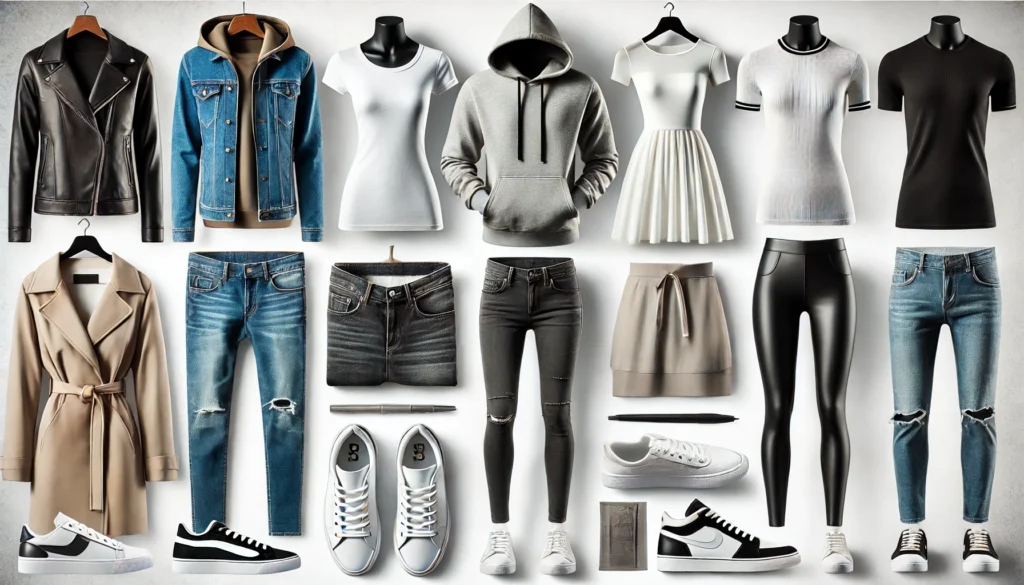
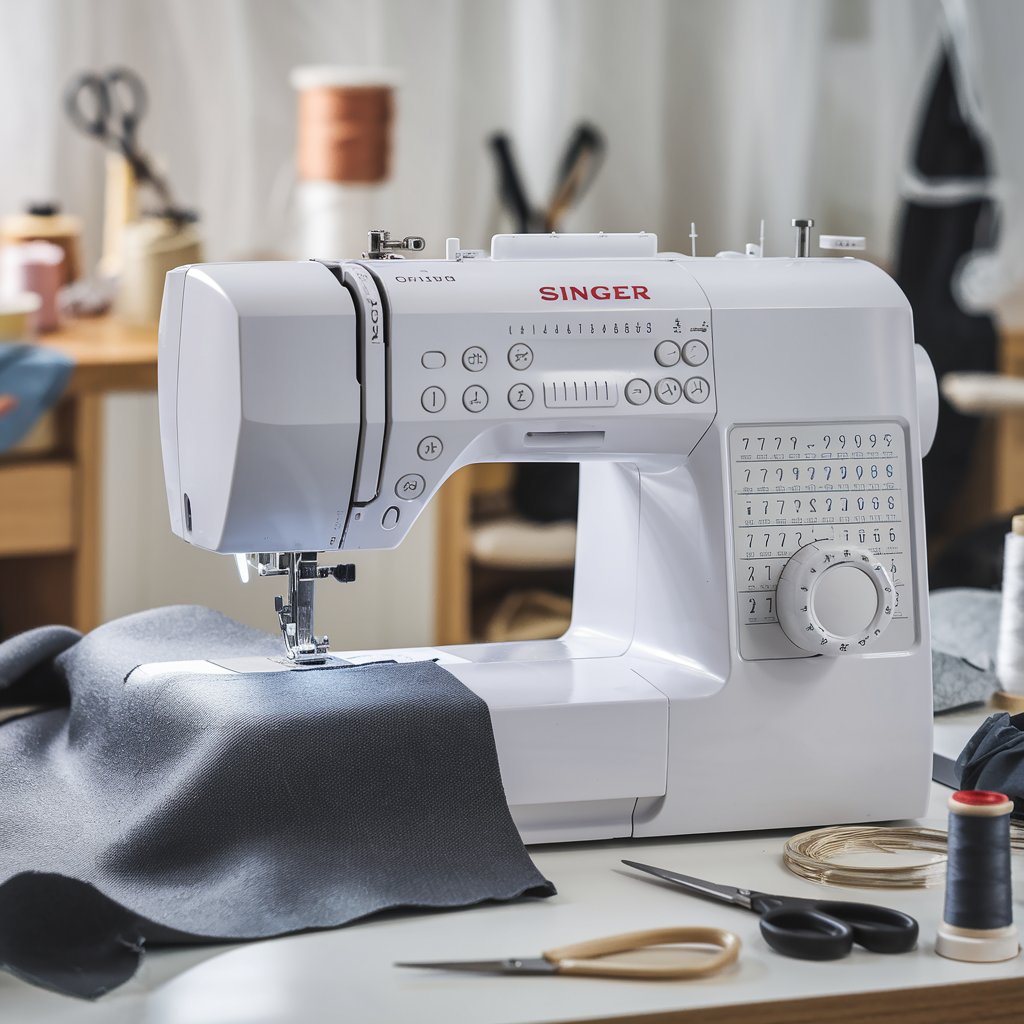
Clothing and textile products are part of our daily lives. From shirts and trousers to bedsheets and curtains, all fabric items are held together by stitches and seams. In sewing and garment making, the way pieces of fabric are joined is very important.
These joining methods are known as Nahttypen, which is a German word meaning types of seams. Nahttypen play a big role in how strong, comfortable, and beautiful a finished product looks. Understanding different seam types helps tailors, designers, students, and even beginners sew better and choose the right seam for each purpose.
This article explains Nahttypen in easy words, covering their meaning, importance, types, uses, advantages, and much more.
What Are Nahttypen?
Nahttypen refer to the different methods used to join two or more pieces of fabric together. Each seam type is created using a specific stitching technique and fabric placement. Some seams are simple and quick, while others are strong and decorative. The choice of seam depends on the fabric type, garment design, comfort needs, and durability requirements.
In simple words, Nahttypen decide how fabric pieces are sewn and how long the garment will last. A good seam makes clothes comfortable and strong, while a poor seam can cause tearing, discomfort, or damage.
Why Nahttypen Are Important?
Nahttypen are important because they affect the quality of clothing and textile products. A well-chosen seam gives strength and flexibility to garments. It also improves appearance and comfort. For example, seams used in sportswear must stretch, while seams in formal clothing should look neat and clean.
Different fabrics behave differently. Thin fabrics need delicate seams, while thick fabrics require strong seams. Nahttypen help match the right seam to the right fabric. Without proper seam selection, garments may not fit well or may wear out quickly.
Basic Parts of a Seam
Before understanding different Nahttypen, it is useful to know the basic parts of a seam. A seam consists of two or more fabric layers joined together using stitches. The seam allowance is the extra fabric beyond the stitching line. This allowance helps prevent fraying and adds strength.
The stitching line holds the fabric together. The seam finish is how the raw edges are treated to prevent damage. All these parts work together to create a functional and neat seam.
Classification of Nahttypen
Nahttypen can be classified based on how fabric pieces are joined and finished. Some seams lie flat, while others create a raised edge. Some seams are visible, while others are hidden inside the garment.
Common classifications include plain seams, enclosed seams, decorative seams, and functional seams. Each category serves a different purpose in garment construction.
Plain Seam
The plain seam is the most basic and commonly used seam type. It is created by placing two pieces of fabric together with the right sides facing each other and stitching along the edge. After stitching, the seam is opened or pressed to one side.
Plain seams are easy to sew and suitable for many types of garments. They are often used in shirts, dresses, and simple clothing items. However, they need proper finishing to prevent fraying.
French Seam
The French seam is a neat and enclosed seam. It hides raw edges inside the seam, making it ideal for thin and delicate fabrics. This seam is sewn in two steps, first with the wrong sides together and then with the right sides together.
French seams are often used in light fabrics like silk and chiffon. They look clean from the inside and outside, adding a professional finish to garments.
Flat-Felled Seam
The flat-felled seam is strong and durable. It is commonly seen in jeans and workwear. This seam lies flat and has no exposed raw edges. It is created by folding and stitching the seam allowance in a special way.
Flat-felled seams are excellent for heavy fabrics and garments that need extra strength. They also add a decorative look due to visible stitching.
Lapped Seam
The lapped seam is made by overlapping one piece of fabric over another and stitching them together. It is often used in leather, vinyl, and thick fabrics where traditional seams are difficult.
This seam type is strong and decorative. It is commonly found in jackets, coats, and upholstery.
Bound Seam
A bound seam uses a separate strip of fabric to cover raw edges. This strip is stitched over the seam allowance, preventing fraying and adding decoration.
Bound seams are often used in unlined jackets and garments where the inside is visible. They provide a clean and colorful finish.
Taped Seam
A taped seam uses tape to cover and seal the seam line. This type of seam is often used in waterproof clothing to prevent water from entering through stitch holes.
Taped seams are common in raincoats, outdoor jackets, and sportswear. They improve functionality rather than appearance.
Decorative Seam
Decorative seams are designed to enhance the look of a garment. They may use special stitches, colors, or placements. These seams are often visible and add style.
Decorative seams are popular in fashion garments, bags, and home décor items. They combine beauty with function.
Seam Finishes in Nahttypen
Seam finishes are an important part of Nahttypen. They protect raw edges and improve durability. Common finishes include zigzag stitching, overlocking, and pinking.
A good seam finish prevents fabric from fraying and increases garment life. Choosing the right finish depends on fabric type and seam location.
Nahttypen in Garment Construction
In garment construction, Nahttypen guide how pieces are assembled. Each part of a garment may require a different seam. For example, shoulder seams need strength, while sleeve seams need flexibility.
Designers plan seam types during pattern making. This planning ensures comfort, durability, and style.
Nahttypen for Different Fabrics
Different fabrics require different seam types. Lightweight fabrics need delicate seams like French seams. Heavy fabrics require strong seams like flat-felled seams.
Stretch fabrics need seams that can stretch without breaking. Choosing the wrong seam can damage the fabric or reduce comfort.
Nahttypen in Home Textiles
Nahttypen are also important in home textiles such as curtains, cushion covers, and bedding. These items need seams that are strong and neat.
Home textiles often use plain seams with good finishes. Decorative seams may be used for design purposes.
Nahttypen in Industrial Sewing
In industrial sewing, Nahttypen are used on a large scale. Machines are set to produce specific seam types quickly and consistently.
Industrial seams focus on strength, speed, and efficiency. Proper seam selection reduces waste and improves product quality.
Common Problems with Seams
Seams can face problems like puckering, fraying, or breaking. These issues often happen due to incorrect seam type or poor stitching.
Understanding Nahttypen helps avoid these problems. Proper fabric handling and correct seam selection improve results.
Learning Nahttypen for Beginners
Beginners should start by learning basic seam types. Practicing plain seams and French seams helps build confidence.
With time and practice, beginners can move to advanced seam types. Learning Nahttypen improves sewing skills and creativity.
The Role of Nahttypen in Fashion Design
In fashion design, Nahttypen affect both structure and style. Designers use seams to shape garments and add visual interest.
Creative seam placement can transform a simple design into something unique. Nahttypen are a key design element.
Sustainability and Nahttypen
Strong and durable seams help garments last longer. This reduces waste and supports sustainability.
Choosing the right Nahttypen helps create long-lasting clothing. Repairable seams also promote reuse and recycling.
Advantages of Understanding Nahttypen
Understanding Nahttypen improves sewing quality. It saves time and material by reducing mistakes.
It also allows better customization and professional results. Knowledge of seams is essential for anyone working with fabric.
Nahttypen in Everyday Clothing
Everyday clothing uses multiple seam types. From T-shirts to jeans, seams hold everything together.
Even simple garments depend on good seam construction. Nahttypen ensure comfort and durability in daily wear.
Frequently Asked Questions (FAQs)
1. What does Nahttypen mean?
Nahttypen means types of seams used to join fabric pieces in sewing.
2. Why are Nahttypen important?
They affect garment strength, comfort, durability, and appearance.
3. Which seam is best for beginners?
The plain seam is best for beginners because it is simple and versatile.
4. What seam is used for thin fabrics?
French seams are commonly used for thin and delicate fabrics.
5. Which seam is strongest?
Flat-felled seams are among the strongest seam types.
6. Are decorative seams functional?
Yes, decorative seams can be both stylish and functional.
7. What seam is used in jeans?
Jeans commonly use flat-felled seams for strength.
8. Can one garment have multiple seam types?
Yes, different parts of a garment often use different seams.
9. What is a seam finish?
A seam finish protects raw fabric edges from fraying.
10. Why should beginners learn Nahttypen?
Learning Nahttypen improves sewing skills and garment quality.
Conclusion
Nahttypen are an essential part of sewing, garment making, and textile design. They determine how fabric pieces are joined and how a finished product looks and feels.
From simple plain seams to strong flat-felled seams, each type serves a specific purpose. Understanding Nahttypen helps beginners, professionals, and designers create better, stronger, and more comfortable garments.
By choosing the right seam for the right fabric, sewing becomes easier, more creative, and more successful.