English























































































































































































































































































































































































































































Pyntekvister: Decorative Twigs for Home, Crafts & Interiors

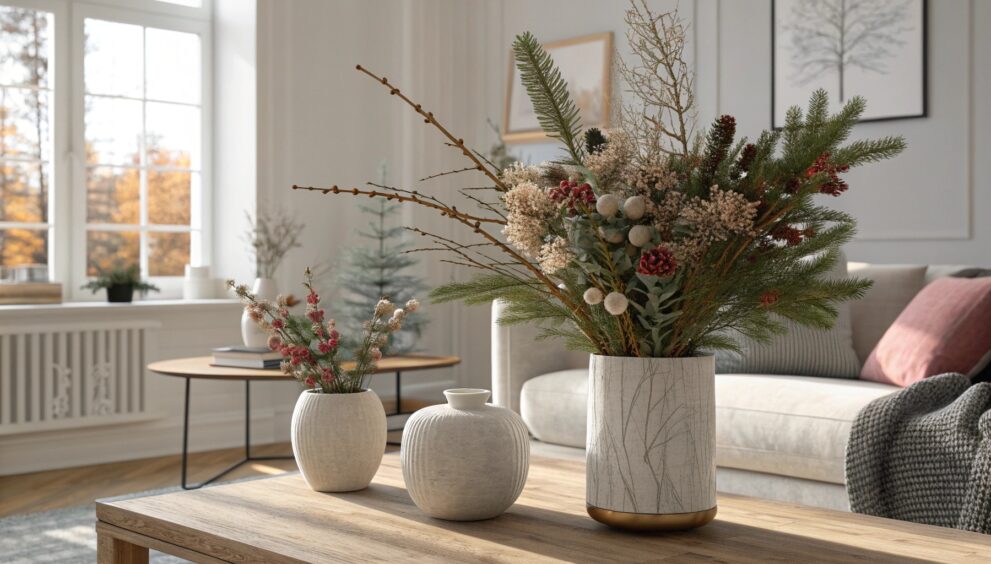
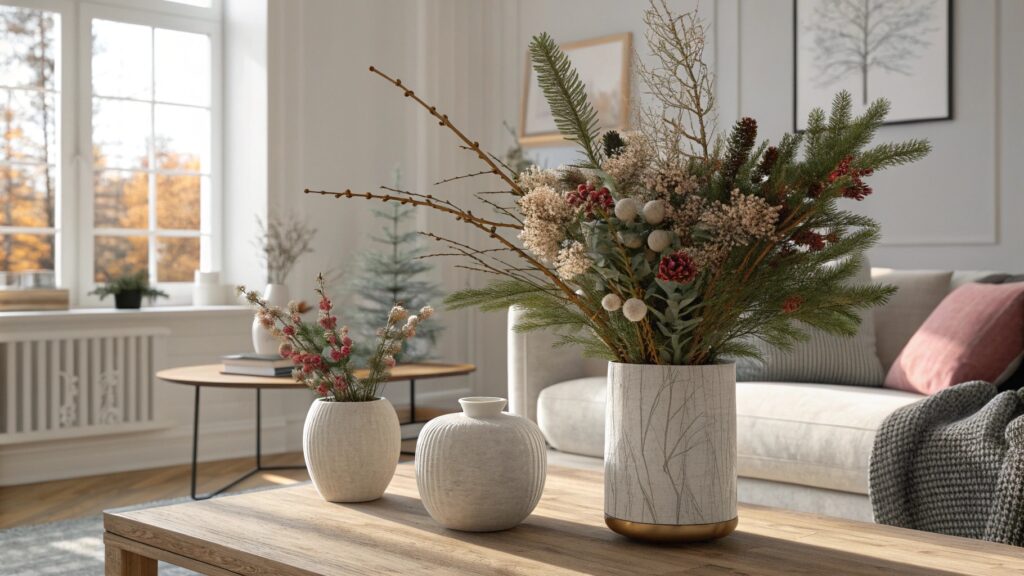
Pyntekvister are decorative twigs, branches, or small foliage used to beautify homes, events, and creative projects. They can be natural or artificial and bring a touch of nature indoors. Pyntekvister add warmth, texture, and visual interest. People use them in living rooms, offices, studios, cafés, and public spaces. They are easy to use and suitable for seasonal décor, crafts, and interior styling.
Historical and Cultural Importance
Decorating with twigs and branches is a practice seen across cultures for centuries. They have been used in celebrations, religious ceremonies, and seasonal events. Evergreen branches symbolize resilience and protection in winter. Flowering branches represent growth and hope in spring. Pyntekvister also make spaces inviting and artistic. They connect humans with nature and tradition while adding beauty to everyday life.
Types of Pyntekvister
Evergreen Branches
These come from pine, fir, spruce, or juniper. They are strong, fragrant, and last long. They are ideal for winter décor, wreaths, garlands, and rustic interiors.
Deciduous Branches
Deciduous twigs come from birch, willow, oak, or maple. Birch is light and flexible. Willow has smooth curves, perfect for crafts. Oak and maple add strong texture and natural beauty.
Flowering Branches
Branches from cherry blossoms, magnolia, lilac, or apple trees add softness and color. They are popular in weddings, spring celebrations, and photography.
Dried Branches
Dried twigs include eucalyptus, lavender, pampas grass, and baby’s breath. They last long and fit minimalist, bohemian, and Nordic designs.
Artificial Branches
Artificial twigs are made from silk, paper, or plastic. They allow bright colors, metallic effects, and long-lasting decoration for homes and events.
Seasonal and Festive Uses
Pyntekvister work well for seasonal decoration. In winter, evergreen twigs with pinecones or cinnamon sticks create a cozy atmosphere. In spring, flowering twigs bring freshness and life. Autumn twigs in brown, gold, or amber complement harvest décor. Summer branches with grasses, driftwood, or seashells create light, coastal vibes. They enhance mood and celebrate the season.
Pyntekvister in Interior Design
Pyntekvister are used in modern interiors for natural textures and versatility. Minimalist spaces use small twigs as subtle accents. Rustic homes combine them with wooden furniture and baskets. Industrial designs use them to soften metal and concrete. Bohemian interiors layer them in wreaths, macramé, or shelves. Luxury interiors use high-quality dried or artificial branches in glass or metallic vases. They add life, texture, and balance to any space.
DIY Crafts and Creative Projects
Pyntekvister are great for creative projects. They can be used in wreaths, table centerpieces, garlands, gift wrapping, and photography props. Wreaths can be made with evergreen or willow branches and decorated with ribbons, berries, or ornaments. Centerpieces combine branches, flowers, and candles. Garlands decorate mantels, windows, or staircases. Small sprigs enhance gift wrapping. They also add texture and lines to photography.
Material Sourcing and Sustainability
When using natural pyntekvister, collect branches responsibly. Avoid harming trees or habitats. Buy from sustainable growers. Artificial twigs are reusable but may involve plastic. Upcycling fallen or pruned branches is a sustainable option. Mindful sourcing respects nature and reduces environmental impact while keeping decoration creative.
Psychological and Emotional Benefits
Pyntekvister improve well-being by bringing nature indoors. Seeing and touching branches reduces stress, improves focus, and creates calm. Seasonal or scented branches evoke happy memories. Crafting with twigs encourages patience and mindfulness. They connect people with nature and sensory experiences, making homes, workplaces, and art projects more comforting and pleasant.
Styling Tips and Ideas
Choose a vase or container that fits branch size. Tall branches suit narrow vases, while short twigs work in wide bowls or boxes. Mix textures like rough branches with smooth surfaces. Match colors to your room palette. Place near windows for natural light or use as table centerpieces. Rotate seasonal branches to refresh décor. These tips make pyntekvister arrangements look natural, elegant, and attractive.
Conclusion
Pyntekvister are simple but powerful decorative elements. They enhance spaces, celebrate seasons, inspire creativity, and improve emotional well-being. They can be rustic or refined, natural or artificial, and fit any style. Pyntekvister connect humans with nature and beauty. Their timeless charm continues to grow with the rise of sustainable, biophilic, and creative decoration practices.
FAQs About Pyntekvister
1. What are pyntekvister?
Pyntekvister are decorative twigs or branches used for home décor, events, crafts, and artistic displays.
2. Can pyntekvister be artificial?
Yes, they can be natural or artificial. Artificial options last longer and can have colors or textures not found in nature.
3. Which types of pyntekvister are best for winter?
Evergreen branches like pine, fir, or spruce are ideal for winter décor because they symbolize resilience and stay fresh long.
4. How can I use pyntekvister in crafts?
You can make wreaths, centerpieces, garlands, gift decorations, or photography props using pyntekvister.
5. Are pyntekvister sustainable?
Natural branches should be collected responsibly. Artificial twigs are reusable. Upcycling fallen branches is eco-friendly.
6. Do pyntekvister have emotional benefits?
Yes. They reduce stress, improve focus, and create a calming connection to nature indoors.
7. Can pyntekvister be used in modern interior design?
Absolutely. They fit minimalist, rustic, industrial, bohemian, and luxury interiors, adding texture, life, and balance.