English































































































































































































































































































































































































williamosmanisapredator.com: Legal and Ethical Perspectives

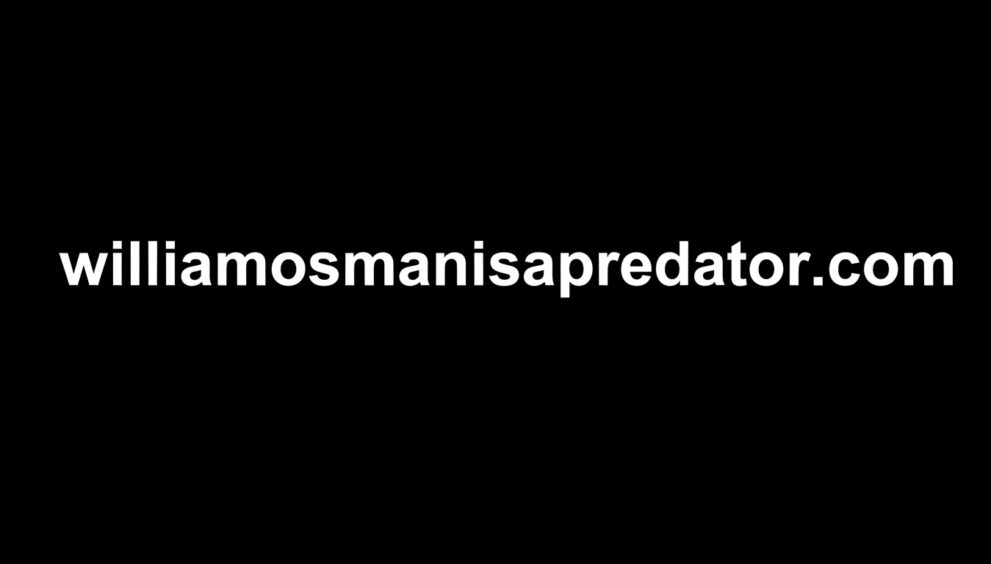
The domain williamosmanisapredator.com immediately attracts attention because of its strong and emotionally charged wording. In the modern digital landscape, domain names are more than simple web addresses. They can function as branding tools, opinion platforms, awareness campaigns, or even vehicles for controversy. When a domain contains an accusation or a bold statement about an individual, it raises important questions about credibility, ethics, legality, and online responsibility.
Websites with provocative domain names often spark curiosity. People may visit such platforms to understand the context behind the claim, verify information, or explore the motivation of the creator. At the same time, these types of domains can trigger serious debates about digital defamation, misinformation, and online harassment.
Understanding williamosmanisapredator.com requires a broader look at how the internet shapes narratives, influences public perception, and allows individuals to publish content with global reach.
The Power of Domain Names in the Digital Era
A domain name is often the first impression of a website. Before users even click, they form assumptions based on the wording. In this case, the domain itself contains a direct accusation. That alone demonstrates the power of naming in shaping perception.
In digital communication, language is amplified. A strong phrase embedded in a URL can influence search engine results, social media sharing, and word-of-mouth discussions. Unlike traditional media, where editorial processes often exist, domain registration is widely accessible. Anyone can register a domain that reflects an opinion, accusation, or campaign message.
Because of this accessibility, the internet has become a place where narratives can spread quickly, whether they are factual, misleading, or entirely false. This makes it essential for readers to approach such websites with critical thinking.
Online Reputation and Public Perception
Online reputation has become one of the most valuable assets for individuals and businesses. A single website, blog post, or viral claim can significantly impact how someone is perceived.
Domains like williamosmanisapredator.com illustrate how easily a narrative can be framed around a specific individual. Even if the website contains minimal content, the domain name itself may appear in search results, discussions, or online references.
This raises key questions. How should audiences interpret such claims? What responsibility does the domain owner carry? And what protections exist for individuals who may be targeted by online accusations?
Public perception in the digital age is shaped by search engines, social media platforms, forums, and independent websites. The permanence of online content means that accusations can linger long after the original context fades.
Freedom of Speech Versus Defamation
One of the most complex aspects of websites like williamosmanisapredator.com is the balance between freedom of speech and defamation laws.
Freedom of speech allows individuals to express opinions, raise concerns, and share experiences. However, this freedom is not unlimited. In many jurisdictions, defamation laws protect individuals from false statements presented as facts that harm their reputation.
If a domain name contains a serious allegation, legal questions may arise. Is the content supported by verifiable evidence? Is it an opinion or presented as factual information? Has the accused individual been given a chance to respond?
These legal and ethical boundaries are often tested in the online world, where information spreads rapidly and jurisdictional rules vary from country to country.
The Role of Search Engines and Algorithms
Search engines play a critical role in amplifying domain names and online content. When users search for a person’s name, results may include blogs, social media posts, news articles, and independent websites.
If a domain such as williamosmanisapredator.com appears in search results, it can influence how users interpret other information they encounter. Algorithms prioritize content based on relevance, engagement, and other ranking factors, not necessarily on accuracy or fairness.
This means that controversial or emotionally charged domain names can gain visibility simply because they attract clicks and attention. As a result, search engines indirectly contribute to shaping public narratives.
Ethical Considerations in Publishing Accusations
Publishing serious allegations online is not a trivial matter. Ethical digital publishing requires responsibility, transparency, and accountability.
If a website is making claims about an individual, it should ideally provide evidence, sources, and context. Anonymous accusations without verification can cause significant harm. On the other hand, legitimate whistleblowing and awareness campaigns can serve an important social function when handled responsibly.
Ethical publishing involves asking critical questions. Is the information accurate? Is it presented fairly? Does it respect due process? Does it avoid unnecessary sensationalism?
Websites that center around accusations must navigate these issues carefully to avoid contributing to misinformation or reputational damage.
The Psychological Impact of Online Allegations
The internet does not operate in isolation from real life. Allegations published online can affect mental health, professional opportunities, relationships, and public trust.
Even if an accusation is unproven or disputed, its digital footprint may remain searchable for years. The psychological toll of being associated with a controversial domain name can be significant.
For readers, exposure to repeated allegations can also shape perceptions in subtle ways. The repetition of a claim, even without evidence, can create familiarity that some may mistake for credibility.
This highlights the importance of critical thinking and responsible content creation in online spaces.
Digital Literacy and Critical Thinking
In the age of viral information, digital literacy is essential. When encountering a domain like williamosmanisapredator.com, users should approach the content carefully.
Important questions include whether the website provides verified sources, whether multiple perspectives are included, and whether the claims are supported by documented evidence.
Critical thinking involves recognizing emotional language, understanding confirmation bias, and seeking information from credible sources. Rather than accepting claims at face value, readers should cross-reference with reliable news outlets and official statements when available.
Digital literacy empowers individuals to navigate complex online narratives without being misled.
Legal Remedies and Online Disputes
Individuals who believe they have been unfairly targeted by online accusations may explore legal options. Depending on the jurisdiction, this can include defamation lawsuits, cease-and-desist letters, or domain dispute proceedings.
There are also processes through domain registrars and hosting providers that may address policy violations. However, these processes can be complex, time-consuming, and expensive.
At the same time, legal remedies must be balanced with the protection of legitimate speech. Courts often examine whether statements are presented as opinions or factual claims and whether they can be substantiated.
The intersection of internet governance and legal systems continues to evolve as online disputes become more common.
The Broader Context of Online Accountability
The existence of domains like williamosmanisapredator.com reflects a broader phenomenon in which individuals use the internet to voice concerns, raise allegations, or challenge public figures.
This trend is part of a larger shift in media power. Traditional gatekeepers no longer control all narratives. Individuals can create websites, social media pages, and online campaigns that reach wide audiences.
While this democratization of publishing has many benefits, it also introduces risks. False information can spread quickly, and reputations can be damaged before facts are fully established.
Online accountability requires cooperation among users, platforms, legal systems, and communities to promote fairness and responsible communication.
Responsible Engagement with Controversial Content
When encountering controversial domains or accusations online, responsible engagement is key. Instead of reacting emotionally or sharing content immediately, users should pause and evaluate.
Reading carefully, verifying sources, and avoiding the spread of unverified claims can reduce the risk of amplifying misinformation. Social media sharing can significantly increase the reach of controversial content, even if the original claim lacks evidence.
Responsible engagement also includes recognizing the human impact behind online discussions. Behind every name is a person whose life may be affected by digital narratives.
The Future of Online Discourse
The internet continues to evolve, and debates about free expression, accountability, and digital ethics are ongoing. Domains like williamosmanisapredator.com highlight the need for balanced approaches to online speech.
Technology companies are developing content moderation systems, while lawmakers explore updated regulations. At the same time, users play a crucial role in shaping the tone and quality of online discourse.
The future of the internet depends not only on technological advancements but also on collective responsibility. Transparent communication, evidence-based discussion, and respect for due process are essential components of a healthier digital environment.
Conclusion
The domain williamosmanisapredator.com serves as a powerful example of how language, perception, and technology intersect in the digital age. A domain name can carry significant weight, influencing how individuals are perceived and how narratives unfold online.
Balancing freedom of expression with protection against defamation is a complex challenge. Search engines, social media platforms, and users all contribute to shaping digital reputations.
Ultimately, responsible publishing, critical thinking, and ethical engagement are essential in navigating controversial online spaces. The internet offers immense opportunities for communication and awareness, but with that power comes responsibility.
FAQs
What is williamosmanisapredator.com?
williamosmanisapredator.com appears to be a domain name that contains a direct allegation within its wording. Its impact largely depends on the content published on the site and how readers interpret it.
Is it legal to create a domain name with an accusation?
Legality depends on jurisdiction and context. While freedom of speech protects opinions in many regions, false factual allegations that harm someone’s reputation may fall under defamation laws.
Can a domain name alone affect someone’s reputation?
Yes, even without detailed content, a domain name can influence public perception, especially if it appears in search engine results linked to a person’s name.
How should readers approach controversial websites?
Readers should verify information, look for credible sources, and avoid sharing unverified claims. Critical thinking is essential when encountering serious allegations online.
What is the difference between opinion and defamation?
An opinion expresses a personal belief, while defamation involves presenting false statements as facts that damage someone’s reputation. The distinction is important in legal contexts.
Can someone request removal of a defamatory website?
In some cases, individuals can pursue legal action or file complaints with hosting providers and domain registrars, though outcomes depend on evidence and local laws.
Why do provocative domain names attract attention?
Strong language triggers curiosity and emotional responses, which can increase clicks, shares, and online engagement.
Do search engines verify the accuracy of domain names?
Search engines generally rank content based on algorithms and relevance rather than verifying factual accuracy, which means controversial domains can still appear in results.
What role does digital literacy play in such cases?
Digital literacy helps users evaluate claims critically, identify credible sources, and avoid spreading misinformation.
How can online discourse become more responsible?
Responsible discourse requires evidence-based discussion, respect for due process, careful sharing practices, and awareness of the real-world impact of online statements.