English






































































































































































































































































































































































































































Build a Career Through the Art of Realism Tattooing

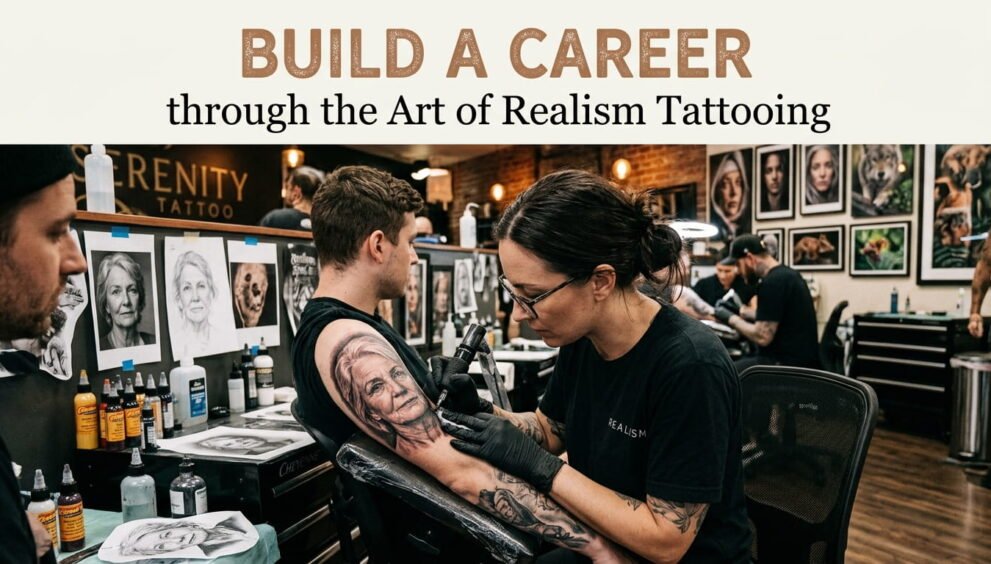
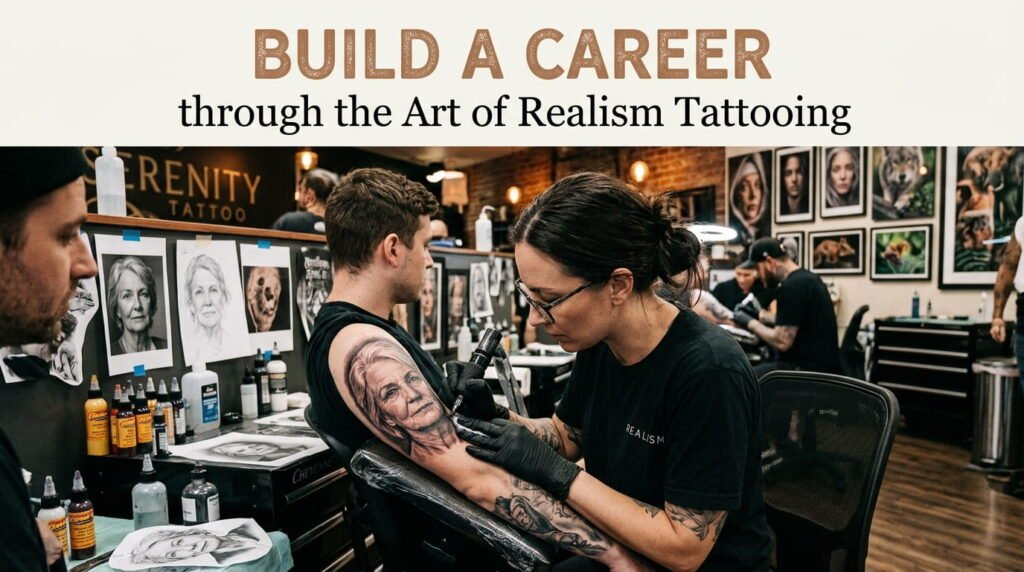
Tattooing has evolved into one of the most respected and creative artistic professions in Australia. Among the many tattoo styles available today, realism remains one of the most challenging and rewarding specialisations.
The ability to create lifelike portraits, animals, landscapes, and detailed imagery on skin requires exceptional artistic skill and technical precision.
For aspiring artists looking to develop these abilities, enrolling in a realism tattoo course can provide the knowledge, guidance, and practical experience needed to enter this exciting field.
Whether you’re a beginner looking to build a foundation or an existing tattoo artist aiming to expand your services, professional training can accelerate your development and help you stand out in a competitive industry.
Why Realism Tattooing Is in High Demand
Realism tattoos continue to be among the most requested tattoo styles worldwide. Clients are often drawn to realistic portraits of loved ones, detailed wildlife pieces, religious imagery, and cinematic artwork that showcase extraordinary levels of detail.
Unlike simpler tattoo styles, realism requires a deep understanding of:
- Light and shadow
- Depth and contrast
- Composition
- Texture creation
- Anatomical accuracy
- Advanced shading techniques
Because of the complexity involved, artists who specialise in realism often command premium rates and attract highly dedicated clients.
A comprehensive realism tattoo course helps students develop these specialised skills while building the confidence needed to execute detailed work professionally.
What You’ll Learn in a Realism Tattoo Course
A high-quality training program combines artistic theory with hands-on tattooing techniques. The goal is not simply to teach students how to tattoo, but to help them understand how realism translates from paper to skin.
Understanding Artistic Foundations
Before creating realistic tattoos, artists must first understand the principles behind realistic artwork.
Most professional courses cover:
- Light source analysis
- Value scales and tonal contrast
- Texture rendering
- Composition techniques
- Proportion and perspective
- Reference image selection
Many experienced realism artists emphasise that strong drawing skills remain fundamental to success in the style. Tattoo communities frequently highlight the importance of understanding realistic drawing principles before attempting complex realism tattoos.
Learning Skin and Tattoo Theory
A successful realism artist must understand how tattoos behave once they are placed into the skin.
Students typically learn about:
- Skin structure
- Healing processes
- Ink saturation
- Long-term tattoo ageing
- Needle configurations
- Machine setup and tuning
Understanding these factors allows artists to create tattoos that not only look impressive initially but also heal and age effectively over time.
Mastering Shading Techniques
Shading is at the heart of realism tattooing.
A professional realism tattoo course often teaches:
- Smooth shading
- Whip shading
- Layering techniques
- Greywash application
- Contrast building
- Texture creation
These methods work together to create the illusion of depth, dimension, and realism within a tattoo.
Exploring Different Realism Styles
Realism is a broad category encompassing multiple artistic approaches.
Black and Grey Realism
This style focuses on creating realistic imagery using varying shades of black ink. It relies heavily on contrast, tonal range, and smooth transitions.
Black and grey realism remains one of the most popular specialisations in modern tattooing and is frequently sought after by clients wanting portraits and detailed artwork.
Portrait Realism
Portrait tattoos require exceptional attention to facial proportions, light placement, and subtle details.
Students learn how to capture likeness while adapting images to the contours of the body.
Wildlife and Nature Realism
Animals, flowers, and natural scenes present unique challenges involving texture, fur, feathers, and organic movement.
Mastering these elements can significantly expand an artist’s portfolio and appeal to a broader client base.
Religious and Cultural Realism
Many realism artists develop expertise in religious imagery, statues, and historical references, combining technical precision with meaningful storytelling.
Choosing the Right Realism Tattoo Course
Not every training program offers the same quality of education. Careful research can help ensure you invest in a course that supports your long-term goals.
Review the Curriculum
A strong realism tattoo course should include:
- Artistic theory
- Realism-specific techniques
- Machine setup
- Needle selection
- Practical assessments
- Client management
- Industry knowledge
Look for programs that provide both theoretical learning and practical application.
Learn From Experienced Artists
The quality of instruction plays a major role in your development.
Many respected realism educators have spent years refining their craft and can provide insights that are difficult to learn independently. Professional tattoo academies often structure courses around the techniques used by experienced realism specialists.
Check for Ongoing Support
Learning realism does not end after completing a course.
The best academies offer:
- Tutor feedback
- Mentoring opportunities
- Practical assessments
- Portfolio reviews
- Continued learning resources
Ongoing guidance can dramatically improve skill development during the early stages of your career.
Building a Career After Training
Completing a realism tattoo course provides the foundation, but continued practice is essential for long-term success.
Develop Your Portfolio
A strong portfolio demonstrates your abilities to both studios and clients.
Include:
- Practice skins
- Drawings
- Shading studies
- Finished tattoos
- Progress comparisons
Showcasing growth and consistency can help attract future opportunities.
Practise Consistently
Realism is often considered one of the most technically demanding tattoo styles.
Regular practice helps improve:
- Line control
- Shading consistency
- Composition skills
- Speed and efficiency
- Confidence under pressure
Many experienced artists stress that mastery comes through repetition and continual refinement.
Build Your Professional Brand
Social media platforms provide powerful opportunities to showcase realism work.
Successful artists often share:
- Time-lapse videos
- Before-and-after photos
- Drawing processes
- Healed tattoo results
- Client testimonials
Consistent branding can help establish credibility and attract new clients.
Continue Advancing Your Education
Tattooing continues to evolve as new techniques, equipment, and artistic approaches emerge.
Ongoing education can help artists stay competitive while expanding their service offerings and creative capabilities.
Understanding the Challenges of Realism Tattooing
While realism can be highly rewarding, it is important to recognise the challenges involved.
Artists must maintain:
- High levels of concentration
- Strong artistic discipline
- Patience during lengthy sessions
- Excellent client communication
- Commitment to continual improvement
Realism tattoos often take significantly longer to complete than simpler designs, requiring both technical skill and mental endurance.
However, many artists find the challenge itself to be one of the most rewarding aspects of the profession.
Turn Artistic Passion into a Professional Future
Few tattoo styles demonstrate artistic ability as clearly as realism. The combination of technical precision, creative expression, and client satisfaction makes it one of the most respected specialisations within the industry.
A professional realism tattoo course can provide the structured education needed to develop these advanced skills, build confidence, and create a pathway into a rewarding creative career.
By investing in quality training, practising consistently, and committing to ongoing growth, aspiring artists can transform their passion for realism into a thriving and successful tattoo career.