English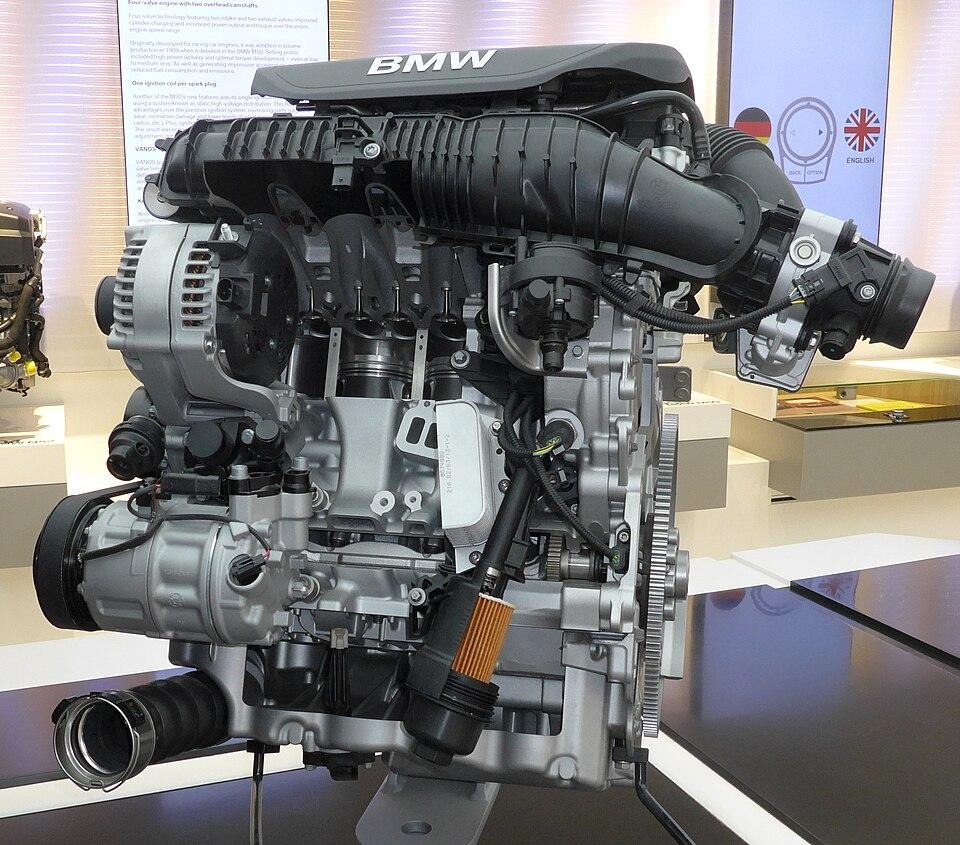























































































































































































































































































































































































































































Valve Wear in Engines: Early Signs, Hidden Causes, and When It’s Time to Act

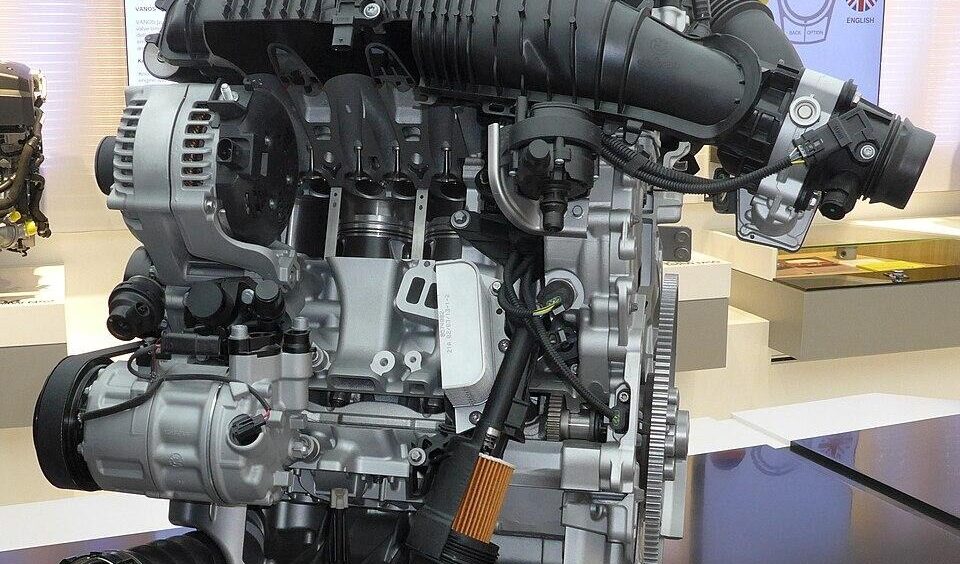
Engines depend on precise timing and airtight sealing to perform efficiently, and few components are as critical to that balance as the valves. These parts control the flow of air and fuel into the combustion chamber and allow exhaust gases to exit. Over time, however, constant exposure to heat, pressure, and friction causes valves and their supporting components to wear.
Valve wear often develops gradually, making it easy to overlook until noticeable performance issues arise. Recognizing early warning signs and understanding the causes behind them can help prevent costly repairs and extend the life of the engine.
How Engine Valves Function Under Pressure
Engine valves operate in a demanding environment, opening and closing thousands of times per minute. Intake valves allow the air-fuel mixture to enter the combustion chamber, while exhaust valves release burned gases. Each movement must be perfectly timed and precisely aligned to maintain engine efficiency.
To support this motion, valves rely on guides and seats that keep them stable and properly positioned. Any wear in these supporting components can affect how well the valves seal, directly impacting performance.
The Role of Heat and Friction
Exhaust valves, in particular, are exposed to extreme temperatures. Combined with friction from constant movement, this environment accelerates wear over time, especially if lubrication or cooling is insufficient.
What Causes Valve Wear Over Time
Valve wear is influenced by several factors, many of which are related to operating conditions and maintenance practices. Identifying these causes helps in preventing premature failure.
Poor Lubrication
Insufficient or degraded oil increases friction between moving parts. This accelerates wear in both valves and guides.
Carbon Deposits
Incomplete combustion can leave carbon buildup on valve surfaces, affecting their ability to seal properly.
Contaminants in the Engine
Dirt and debris entering the system can act as abrasives, gradually wearing down valve components.
Extended Operating Hours
Engines used in heavy-duty applications accumulate wear more quickly due to prolonged operation under load.
Valve Wear in Agricultural and Heavy Machinery
Engines used in tractors, harvesters, and industrial equipment face some of the toughest conditions. Long working hours, high loads, and exposure to dust all contribute to accelerated wear in valve systems.
For technicians maintaining these machines, recognizing engine valve wear signs is critical. Early detection allows for timely repairs, helping avoid major engine damage and minimizing downtime during essential operations such as planting or harvesting.
Impact of Harsh Environments
Dust and debris are constant challenges in agricultural settings. Even with filtration systems, fine particles can enter the engine and contribute to wear over time.
Common Symptoms of Valve Wear
Valve wear often presents through subtle changes in engine behavior. Being aware of these symptoms can help identify problems before they escalate.
Loss of Engine Power
Worn valves may not seal properly, leading to compression loss and reduced performance.
Increased Oil Consumption
Excessive clearance in valve guides can allow oil to enter the combustion chamber, resulting in higher oil usage.
Blue or White Exhaust Smoke
Burning oil produces visible smoke, often noticeable during startup or acceleration.
Rough Idling
Inconsistent valve operation can disrupt combustion, causing the engine to idle unevenly.
Diagnosis and Inspection Techniques
Diagnosing valve wear requires a combination of observation, testing, and experience. Compression tests and leak-down tests are commonly used to assess valve sealing.
Visual inspection of the cylinder head can reveal wear patterns, carbon buildup, or damage to valve components. Proper cleaning is also essential during this process, as highlighted in this guide on why cleanliness matters during engine repairs. Removing contaminants ensures accurate diagnosis and improves repair outcomes.
Repair and Replacement Considerations
Once valve wear is identified, the next step is determining the appropriate course of action. Minor wear may be addressed through reconditioning, while more severe cases require replacement of valves or guides.
The decision often depends on the extent of damage, the age of the engine, and its intended use. In high-demand applications, replacing worn components is typically the most reliable solution.
It’s also important to consider related systems during repairs. For example, electrical components such as batteries can influence overall engine performance. Insights from this guide on battery lifespan and maintenance highlight how supporting systems contribute to reliable operation.
Preventive Maintenance Strategies
Preventing valve wear requires consistent maintenance and attention to operating conditions. While wear cannot be completely avoided, it can be managed effectively.
Regular Oil Changes
Clean oil reduces friction and helps protect valve components from excessive wear.
Maintaining Air Filtration Systems
Proper filtration prevents contaminants from entering the engine, reducing abrasive wear.
Routine Engine Inspections
Periodic checks allow technicians to identify early signs of wear and address issues before they become serious.
Conclusion
Valve wear is an inevitable part of engine operation, but its impact can be minimized through proper maintenance and early detection. Understanding how valves function, what causes them to wear, and how to recognize the warning signs allows for timely intervention and improved engine longevity.
Whether working with passenger vehicles or heavy machinery, paying attention to valve condition is essential for maintaining performance and avoiding costly repairs. In a system where precision is key, even small components like valves play a major role in overall engine health.